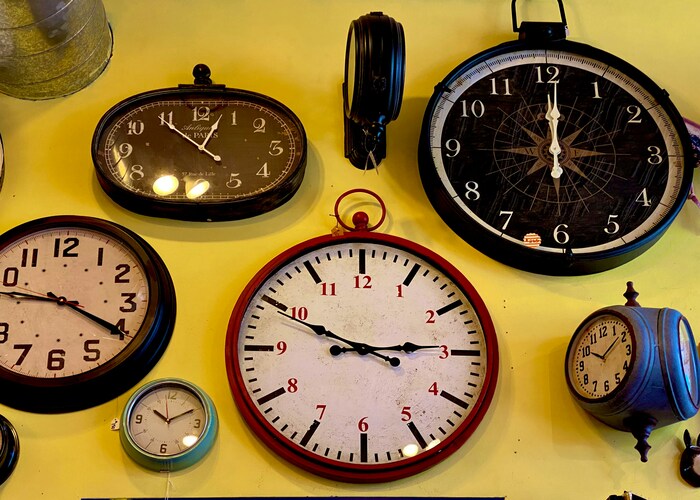
Time zones affect almost everything we do, even when we do not realize it. From waking up in the morning to joining an online meeting, booking a flight, or calling a loved one in another country, global time differences quietly shape our daily life. Time Zones Across The World A Simple Guide For Everyone.
If you have ever wondered why the same moment feels like morning in one place and night in another, this guide is written for you. This article explains time zones across the world in a clear, human way. No confusion. No technical overload. Just practical understanding that actually helps.
Whether you are a student, professional, traveler, remote worker, or simply curious, this guide will help you feel confident with global time.
What Are Time Zones And Why They Exist
A time zone is a region of the Earth that follows the same local time. The reason time zones exist is simple. The Earth rotates, and sunlight reaches different areas at different moments.
If the entire world followed one clock, daily life would be chaotic. Noon would be midnight somewhere else. Time zones bring order and balance to daily routines.
Time zones allow people to:
- Start work during daylight
- Sleep at night
- Coordinate activities locally
How The World Divides Time
The world is divided into multiple time zones, generally spaced about one hour apart. These zones are measured from a global reference point known as Coordinated Universal Time.
Each region sets its local time by adding or subtracting hours from this reference.
For example:
- Some places are several hours ahead
- Others are several hours behind
This structure keeps global time organized.
Understanding Global Time Differences In Real Life
Global time differences matter because people no longer live in isolation. Today, communication crosses borders instantly.
Time zones help answer questions like:
- What time is it in another country right now
- How many hours ahead or behind is a city
- Is it a good time to call someone
Knowing these answers avoids confusion and builds respect for others schedules.
Major Time Zones Across The World Explained
North America Time Zones
North America uses several main time zones.
Key examples include:
- Eastern time followed by cities like New York and Toronto
- Central time used in cities like Chicago
- Mountain time in cities like Denver
- Pacific time followed by Los Angeles and Vancouver
Each zone is typically one hour apart.
South America Time Zones
South America has fewer time zones but wide geographical spread.
Cities like:
- Sao Paulo
- Buenos Aires
- Santiago
may share similar times, making regional coordination easier.
European Time Zones
Europe is relatively compact, which simplifies time differences.
Examples include:
- London time
- Paris and Berlin time
- Athens time
Most European countries differ by only one or two hours.
African Time Zones
Africa generally follows stable time zones throughout the year.
Cities such as:
- Cairo
- Nairobi
- Lagos
maintain consistent local times, which supports regional business and travel.
Asian Time Zones
Asia covers a vast area and includes several time zones.
Important cities include:
- Tokyo
- Beijing
- Bangkok
- Delhi
Time differences can be significant across the continent.
Australia And Oceania Time Zones
Australia uses multiple time zones within one country.
Cities like:
- Sydney
- Melbourne
- Adelaide
- Perth
may observe different local times, even on the same day.
Why Time Zones Are Not Always Straight Lines
On maps, time zones may look neat, but in reality they follow political and practical boundaries.
Countries often adjust time zones to:
- Keep the same time nationwide
- Align business hours
- Match neighboring regions
This flexibility makes time zones practical rather than purely mathematical. Time Zones Across The World A Simple Guide For Everyone.
Seasonal Time Changes And Their Impact
Some regions adjust clocks seasonally to make better use of daylight. This can temporarily shift time differences between countries.
Seasonal changes affect:
- International meetings
- Travel schedules
- Live events
Being aware of these shifts helps avoid one hour mistakes.
Why Understanding Time Zones Matters For Global Users
Time zones affect real decisions every day.
They help you:
- Schedule international meetings
- Plan travel itineraries
- Attend online classes and events
- Manage global teams
- Stay connected with family abroad
Time awareness builds confidence and efficiency.
Time Zones And Remote Work
Remote work has made time zones more important than ever.
Global teams rely on clear time coordination to:
- Avoid late night meetings
- Respect work life balance
- Improve productivity
Understanding time zones creates smoother collaboration.
Time Zones For Students And Online Learners
Online education often spans continents.
Students use time zone knowledge to:
- Join live classes on time
- Submit assignments accurately
- Participate in global discussions
Clear time understanding supports learning success.
Time Zones And Travel Planning
Traveling across time zones affects the body and schedule.
Knowing time differences helps travelers:
- Prepare for jet lag
- Adjust sleep routines
- Understand arrival times
- Plan connections wisely
Time awareness reduces stress.
Common Time Zone Confusions People Face
Many people struggle with:
- Mixing up morning and evening
- Forgetting seasonal changes
- Assuming nearby countries share the same time
- Misreading time conversions
Learning the basics eliminates these issues.
How To Easily Compare Time Zones Step By Step
Step One Know Your Local Time Zone
Start with your current city or country.
Step Two Identify The Other Location
Choose the city you want to compare.
Step Three Count The Hour Difference
Note how many hours ahead or behind it is.
Step Four Check For Seasonal Changes
Confirm if any seasonal adjustments apply.
Advanced Time Zone Tips For Professionals
Experienced global workers use time zones strategically.
Helpful practices include:
- Setting a personal world clock
- Planning meetings within overlapping work hours
- Labeling time zones clearly in schedules
- Double checking times before important calls
These habits save time and reduce mistakes.
Time Zones And Global Communication Etiquette
Understanding time zones shows respect.
Good etiquette includes:
- Avoiding calls at inconvenient hours
- Scheduling meetings fairly
- Being flexible with global partners
Time awareness strengthens relationships.
How Time Zones Influence Daily Personal Life
Time zones shape personal routines too.
They affect:
- When you call family abroad
- When you watch live events
- When you post content online
Knowing the right time builds better connections.
Checklist For Staying Confident With Time Zones
- Know your local time zone
- Understand major world regions
- Always confirm meeting times
- Watch for seasonal changes
- Use consistent time references
This checklist keeps you aligned globally.
The Future Of Global Time Awareness
As the world becomes more connected, time zone understanding will only grow in importance.
Future trends include:
- More remote work
- Global education access
- International collaboration
Time knowledge will remain a core life skill. Time Zones Across The World A Simple Guide For Everyone.
Frequently Asked Questions About Time Zones Across The World
How many time zones exist worldwide
There are many recognized time zones covering all regions of the Earth.
Why do some countries have multiple time zones
Large countries span wide geographical areas.
Do all countries change time seasonally
No, seasonal changes are region specific.
Can two cities in the same country have different times
Yes, especially in large countries.
Why is time zone knowledge important for remote work
It helps avoid confusion and improves collaboration.
Are time zones fixed forever
They can change based on national decisions.
How can I avoid time zone mistakes
Always double check and plan ahead.
Final Thoughts
Time zones across the world are not just lines on a map. They are part of how humanity stays organized in a rotating world. Understanding them gives you control over your schedule, confidence in communication, and peace of mind when connecting globally.
This guide was created to make time zones simple, human, and practical. Wherever you live and wherever you connect, knowing global time helps you stay in sync with the world.



Leave a Reply