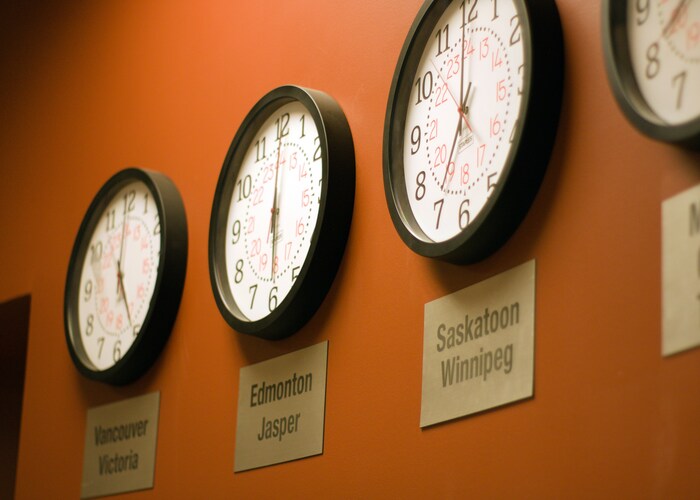
Time looks simple on the surface, but the moment you cross borders, everything changes. Different countries follow different time zones, daylight saving rules, and offsets from UTC. If you have ever wondered how systems accurately get time zone information worldwide, this guide is written for you. Get Time Zone Made Simple for Global Users.
This article explains how time zones work, how to get time zone data correctly, and how global systems handle time accurately. Whether you are a beginner trying to understand time zones or someone working with global users, this guide covers everything from basics to advanced concepts.
What Does Get Time Zone Mean
Getting the time zone means identifying the correct regional time setting based on a location, device, or system. It includes:
- Time zone name
- Offset from UTC
- Daylight saving status
- Local date and time
For example, the time zone for New York is different from London, even though both cities are major global hubs. Getting the time zone correctly ensures that time displays, schedules, and records stay accurate.
Why Getting Time Zone Correctly Matters
Incorrect time zone handling creates confusion and mistrust. When systems fail to get time zone accurately, users experience:
- Missed meetings
- Wrong reminders
- Incorrect timestamps
- Scheduling errors
Correct time zone detection improves:
- User trust
- Global usability
- Data accuracy
- Cross border coordination
If your audience is global, time zone accuracy is not optional. It is essential.
Understanding Time Zones at a Basic Level
The world is divided into multiple time zones, each representing a region where the same standard time is observed.
Key concepts include:
- The Earth rotates once every 24 hours
- Time zones roughly follow longitude lines
- Each zone is approximately one hour apart
However, real world time zones are shaped by geography, politics, and history, not straight lines.
What Is UTC and Why It Matters
UTC is the global reference time. It does not change with seasons or locations.
Important points about UTC:
- It is the same everywhere in the world
- It never observes daylight saving
- It acts as a neutral time standard
Most global systems store time in UTC and convert it to local time only when needed.
Local Time Versus Time Zone
Local time is the clock time you see in your city. Time zone defines the rules behind that local time.
For example:
- Local time in London may change during daylight saving
- The time zone rules determine when that change happens
Getting time zone means understanding those rules, not just reading the clock.
How Systems Get Time Zone Information
Time zone can be determined using several methods depending on context.
Device Based Time Zone
Most devices automatically detect time zone based on location settings.
Advantages:
- Accurate for most users
- Automatically updates
- Handles daylight saving
Limitations:
- Can be manually changed
- Depends on user settings
Location Based Time Zone
Using geographic location to get time zone ensures high accuracy.
This method uses:
- Country
- Region
- City
For example:
- Tokyo follows a fixed time zone
- New York follows daylight saving rules
Server Based Time Zone
Servers often run on UTC to avoid confusion.
Benefits:
- Consistency
- Predictability
- Easier data management
Local time is calculated later using time zone data.
Time Zone Offsets Explained Simply
A time zone offset represents the difference between local time and UTC.
Examples:
- London offset may be zero or plus one depending on season
- New York offset changes between minus four and minus five
- Dubai remains fixed year round
Offsets alone are not enough. Full time zone rules are needed for accuracy.
Daylight Saving Time and Get Time Zone
Daylight saving adds complexity to time zones.
Key facts:
- Not all countries observe it
- Start and end dates vary
- Rules change over time
Accurate time zone systems automatically adjust for daylight saving without manual intervention. Get Time Zone Made Simple for Global Users.
Major Cities and Their Time Zones
Understanding major cities helps visualize global time.
Examples include:
- New York follows a seasonal time change
- London switches between standard and daylight time
- Dubai follows a fixed offset
- Mumbai remains consistent year round
- Tokyo does not observe daylight saving
- Sydney switches seasons opposite to Europe
Each city represents different time zone behavior.
Common Use Cases for Getting Time Zone
Scheduling Across Countries
When a meeting is scheduled in one city, participants in other cities must see the correct local time.
Accurate time zone conversion ensures everyone arrives on time.
Displaying Correct Timestamps
Messages, posts, and updates should reflect the viewer’s local time, not the sender’s time.
Travel and Booking Systems
Flights, hotels, and events depend heavily on precise time zone data.
Financial and Data Records
Transactions require consistent time records regardless of user location.
Best Practices to Get Time Zone Accurately
Use UTC as the Base
Store all time data in UTC. Convert only when displaying.
Capture Time Zone Separately
For events tied to a location, store the time zone name along with the time.
Avoid Hardcoding Offsets
Offsets change. Rules are safer than numbers.
Test Across Regions
Always test with multiple global locations to identify issues early.
Common Mistakes While Getting Time Zone
- Relying only on local device time
- Assuming all countries follow daylight saving
- Using fixed offsets
- Mixing local and global time logic
- Ignoring future rule changes
Avoiding these mistakes ensures long term accuracy.
Advanced Time Zone Concepts
Time Zone Databases
Modern systems rely on detailed databases that track historical and future time zone rules.
These databases:
- Update regularly
- Handle political changes
- Track daylight saving transitions
Historical Time Accuracy
Some applications need historical time accuracy, especially for records and logs.
Correct time zone handling ensures past times remain accurate even if rules change later.
Time Zone Changes Over Time
Countries may adopt or abandon daylight saving. Systems must stay updated to reflect these changes.
Get Time Zone for Global User Experience
When time feels natural, users feel understood.
Accurate time zone handling:
- Reduces user effort
- Prevents confusion
- Builds confidence
- Makes global apps feel local
Whether your user is in London, New York, Singapore, or Sydney, time should always feel correct.
Performance Considerations
Time zone calculations are efficient, but unnecessary repetition should be avoided.
Tips include:
- Cache time zone results
- Convert only when needed
- Avoid repeated recalculation during UI refresh
Get Time Zone Checklist for Global Systems
Before going live, ensure:
- Time stored in UTC
- Time zone captured when required
- Daylight saving handled automatically
- Multiple cities tested
- Backend and frontend aligned
This checklist prevents most time related issues.
Frequently Asked Questions About Get Time Zone
What does get time zone mean
It means identifying the correct regional time rules including offset and daylight saving for a specific location or system.
Why is UTC important when getting time zone
UTC provides a stable reference that does not change with seasons or location, ensuring consistent data.
Can time zone change automatically
Yes. When based on proper rules and data, time zones adjust automatically for daylight saving.
Is offset enough to determine time zone
No. Offset alone does not capture daylight saving or regional rules.
How do global systems handle time zone changes
They rely on updated time zone data and convert from UTC to local time dynamically.
What is the biggest mistake in time zone handling
Hardcoding offsets instead of using full time zone rules. Get Time Zone Made Simple for Global Users.
Final Thoughts
Getting time zone right is not about complexity. It is about respect for global users.
When time works perfectly across borders, users feel confident and supported. Meetings start on time. Data stays accurate. Experiences feel seamless.
By understanding UTC, offsets, daylight saving, and regional rules, you can handle time confidently anywhere in the world.



Leave a Reply