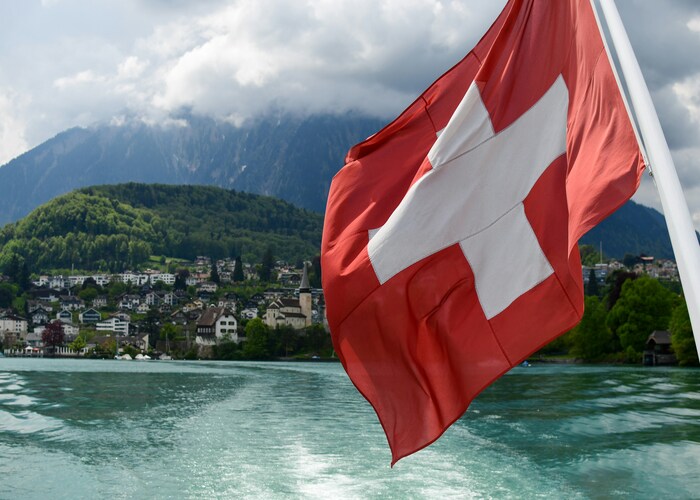
Switzerland is often admired for its mountains, cities, and quality of life. What many people find even more fascinating is how the country functions smoothly with multiple official languages. Unlike many nations that rely on one main language, Switzerland officially recognizes more than one language at the national level. Official Swiss Languages Explained: How Switzerland Thrives With Multiple Languages.
Understanding official Swiss languages helps you see how language can promote unity rather than division. It also offers valuable lessons about cultural respect, communication, and coexistence.
This guide explains everything step by step, using clear examples and simple language for global readers.
What Are Official Swiss Languages
Official Swiss languages are the languages that Switzerland recognizes for:
- Government work
- Legal documents
- Education and administration
- National communication
These languages are protected by law and used in public life.
Switzerland officially recognizes four languages at the national level.
Why Switzerland Has Multiple Official Languages
Switzerland did not choose multiple languages randomly. The country developed as a union of regions with different linguistic traditions.
Key Reasons
- Geographic diversity
- Historical regional communities
- Respect for cultural identity
- Political neutrality
Instead of forcing one language, Switzerland chose inclusion.
The Four Official Swiss Languages
Switzerland has four official languages, each with its own role and region.
- German
- French
- Italian
- Romansh
Not all languages are spoken equally, but all are respected officially.
German in Switzerland
Role of German Language
German is the most widely spoken language in Switzerland. It is commonly used in:
- Daily communication
- Education
- Business
- Local government
Swiss German and Standard German
Many people speak a local form of German in daily life, while a standardized form is used in writing and formal settings.
This system allows both comfort and clarity.
French in Switzerland
Where French Is Spoken
French is mainly spoken in western regions of Switzerland.
Usage of French
French is used in:
- Government offices
- Schools
- Media
- Professional communication
It follows standard grammatical rules and is easily understood by French speakers worldwide.
Italian in Switzerland
Regional Importance of Italian
Italian is spoken mainly in southern regions of Switzerland.
How Italian Is Used
Italian is used for:
- Local administration
- Education
- Cultural expression
Despite fewer speakers, Italian has full official recognition.
Romansh: The Unique Swiss Language
What Is Romansh
Romansh is a historic language spoken by a small community in Switzerland.
Why Romansh Matters
- It represents cultural heritage
- It is legally protected
- It is used in official contexts for its speakers
Romansh shows how Switzerland values even smaller linguistic groups. Official Swiss Languages Explained: How Switzerland Thrives With Multiple Languages.
How Official Languages Are Used in Government
Switzerland uses a flexible approach.
Key Practices
- Federal documents are available in multiple languages
- Citizens communicate with authorities in their language
- Education adapts to regional languages
This approach promotes fairness and accessibility.
Language Use by Region
Switzerland is divided into regions based on language use.
Regional Language System
- Each region uses its dominant language
- Local administration works in that language
- National communication respects all official languages
This system reduces confusion and supports local identity.
Education and Official Swiss Languages
Language education begins early.
How Schools Handle Language
- Children learn the regional language first
- Other national languages are introduced later
- Multilingual skills are encouraged
This prepares students for national unity and global communication.
Daily Life in a Multilingual Country
In daily life, people often encounter multiple languages.
Examples include:
- Road signs in more than one language
- Public announcements adapted to regions
- Multilingual official forms
People adapt naturally to this environment.
Basic Words From Swiss Official Languages
Here are simple examples to show language variety.
Greetings Examples
Hello in German
Hello in French
Hello in Italian
These greetings change by region but serve the same purpose.
Sample Sentences for Understanding
Simple Sentence Idea
Good morning and thank you
Each language expresses this politely in its own way while sharing the same meaning.
Why Switzerland’s Language System Works
Switzerland succeeds with multiple languages because of:
- Mutual respect
- Clear regional rules
- Strong education system
- Legal protection for languages
Language is treated as a shared asset, not a barrier.
Official Languages vs Spoken Languages
Official Languages
- Used in law and government
- Protected by the constitution
- Used in education
Spoken Languages
- Used at home or socially
- May include local dialects
- Change naturally over time
Both coexist peacefully.
Cultural Identity and Language
Language in Switzerland reflects:
- Local traditions
- Regional pride
- Community values
People often identify strongly with their regional language while supporting national unity.
Learning From the Swiss Language Model
The Swiss approach teaches valuable lessons:
- Diversity can strengthen unity
- Respect improves communication
- Language policy matters
Many countries study this model for inspiration.
Simple Practice Exercise for Learners
Exercise One
Identify which language is spoken in a region.
Exercise Two
Practice greeting politely in different languages.
Exercise Three
Notice how respect is shown through language choice.
These exercises build awareness, not memorization. Official Swiss Languages Explained: How Switzerland Thrives With Multiple Languages.
High Search FAQs About Official Swiss Languages
How many official languages does Switzerland have
Switzerland has four official languages.
Is German the only main language in Switzerland
No. German, French, Italian, and Romansh are all official.
Do all Swiss people speak four languages
No. Most people speak the language of their region.
Why is Romansh an official language
It is protected as part of Switzerland’s cultural heritage.
How does Switzerland manage multiple languages
Through regional autonomy and national respect.
Final Thoughts
Official Swiss languages show how diversity and unity can work together. By respecting regional identities while maintaining national cooperation, Switzerland has built a system that values communication, inclusion, and cultural balance.
Understanding official Swiss languages gives insight into how language shapes society, governance, and everyday life. It also proves that multilingual systems can be successful when built on respect and clarity.





Leave a Reply