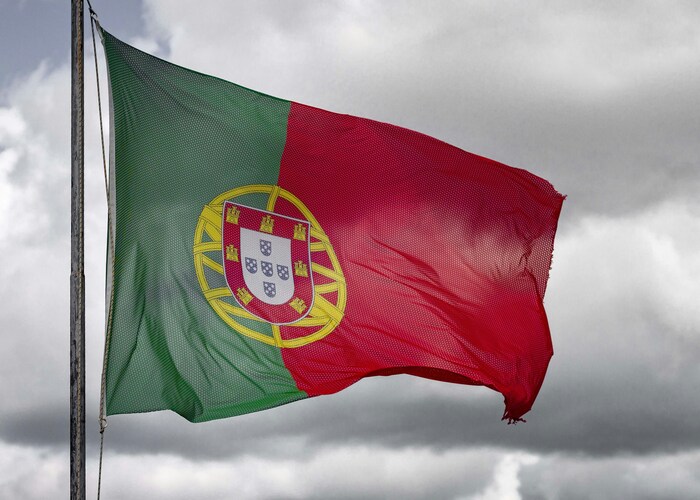
When people think about Portuguese, they often think of just one country. In reality, Portuguese is spoken across multiple continents, connecting people through a shared language, history, and culture. Portuguese Countries Explained: A Fascinating Guide to Nations United by One Language.
The term Portuguese countries refers to nations where Portuguese is an official or widely used language. These countries are spread across Europe, South America, Africa, and parts of Asia.
Understanding Portuguese countries helps you see how a single language can unite diverse cultures, traditions, and societies while still allowing each country to keep its unique identity.
This guide explains Portuguese countries step by step, using clear examples and simple language for readers worldwide.
What Are Portuguese Countries
Portuguese countries are nations where Portuguese is the official language or a primary language of communication.
These countries use Portuguese in:
- Government and administration
- Education systems
- Media and public communication
- Cultural expression
While the language is shared, each country has its own accent, expressions, and cultural influence.
How Portuguese Became a Global Language
Portuguese became a global language through historical expansion and long-term cultural exchange.
Step by Step Language Spread
- Portuguese developed as a national language in Europe
- It spread through trade, travel, and administration
- Education systems adopted Portuguese
- Independent nations retained the language for unity
Over time, Portuguese became one of the most widely spoken languages in the world.
Portugal: The Origin of the Portuguese Language
Portugal is where the Portuguese language was born and developed.
Role of Portugal
- Origin of standard Portuguese
- Foundation of grammar and writing rules
- Cultural influence on global Portuguese
Modern Portuguese used worldwide traces its roots back to Portugal.
Brazil: The Largest Portuguese-Speaking Country
Brazil is the country with the largest number of Portuguese speakers.
Why Portuguese Is Important in Brazil
- Used in education and government
- Spoken by nearly the entire population
- Forms the basis of Brazilian culture and identity
Brazilian Portuguese has its own pronunciation and expressions, making it unique yet widely understandable.
Portuguese Countries in Africa
Portuguese is spoken in several African nations where it serves as an official language.
Why Portuguese Is Used in Africa
- Neutral language among diverse communities
- Used in education and administration
- Supports national unity
In these countries, Portuguese often exists alongside local languages, enriching communication rather than replacing tradition.
Portuguese in Island Nations
Some Portuguese-speaking countries are island nations.
Key Features
- Portuguese connects different islands
- Used in schools and government
- Local culture influences the language
These nations show how Portuguese adapts to different environments.
Portuguese in Asia
Portuguese also exists in parts of Asia.
Why Portuguese Remains Relevant
- Used in official communication
- Preserved through education
- Represents historical and cultural identity
Even where Portuguese speakers are fewer, the language holds cultural value.
Why Countries Keep Portuguese After Independence
Many countries continued using Portuguese even after becoming independent.
Main Reasons
- Already established education systems
- Neutral language across ethnic groups
- Global communication advantages
- Legal and administrative continuity
Portuguese helped unify nations with diverse local languages.
Official Language vs Widely Spoken Language
Official Portuguese
- Used in laws and government
- Language of education
- Standardized for administration
Everyday Portuguese
- Spoken at home and socially
- Includes local accents and slang
- Reflects cultural identity
Both forms are essential to daily life. Portuguese Countries Explained: A Fascinating Guide to Nations United by One Language.
Differences in Portuguese Across Countries
Portuguese varies slightly from country to country.
Common Differences
- Pronunciation styles
- Vocabulary choices
- Rhythm and accent
Despite these differences, Portuguese speakers usually understand each other easily.
Basic Portuguese Words Used Everywhere
Here are simple Portuguese words shared across countries.
Common Words
Hello greeting
Thank you expression
Yes agreement
No refusal
Sample Sentences
Hello how are you
Thank you very much
Yes I understand
No problem
These phrases work in most Portuguese-speaking countries.
Portuguese Grammar Basics
Portuguese grammar follows clear patterns.
Key Features
- Gendered nouns
- Verb conjugations
- Clear sentence structure
With practice, learners find Portuguese logical and expressive.
Cultural Influence on Portuguese Language
Each Portuguese country adds its own cultural touch.
Examples of Cultural Influence
- Local sayings
- Music and storytelling styles
- Politeness expressions
Language evolves naturally with culture.
Portuguese in Education Systems
Education in Portuguese countries relies heavily on the language.
Why This Matters
- Standard learning across regions
- Access to national resources
- Shared academic communication
Local languages often complement Portuguese in early learning.
Global Importance of Portuguese Countries
Portuguese countries contribute to:
- Global communication
- Cultural exchange
- International education
Portuguese is one of the most spoken languages worldwide, making these countries globally significant.
Why Learning About Portuguese Countries Is Useful
Understanding Portuguese countries helps you:
- Learn world geography
- Understand cultural diversity
- Improve language awareness
- Prepare for studies or travel
It builds global perspective and appreciation.
Simple Practice Exercise for Beginners
Try these basic activities.
Exercise One
Practice greeting someone politely.
Exercise Two
Say thank you in a complete sentence.
Exercise Three
Introduce yourself using simple words.
Small steps help build confidence.
High Search FAQs About Portuguese Countries
How many countries speak Portuguese
Portuguese is an official language in several countries across multiple continents.
Is Portuguese the same everywhere
The language is the same, but accents and expressions vary.
Which country has the most Portuguese speakers
Brazil has the largest Portuguese-speaking population.
Is Portuguese useful globally
Yes, it is widely used in education, culture, and communication.
Are Portuguese countries culturally similar
They share language but have unique cultures and traditions. Portuguese Countries Explained: A Fascinating Guide to Nations United by One Language.
Final Thoughts
Portuguese countries form a global community connected by language yet enriched by cultural diversity. From Europe to South America, Africa, and Asia, Portuguese adapts while maintaining its core identity.
Understanding Portuguese countries helps you see how language can unite people across borders while respecting individuality. It also highlights the power of communication in shaping global connections.





Leave a Reply