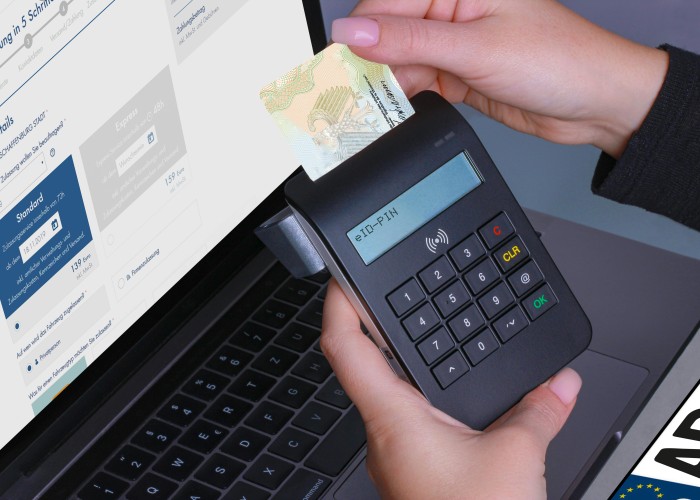
The Shift to Invisible Payments is accelerating across US e commerce in 2026 as major retailers, fintech platforms, and payment providers roll out biometric checkout systems designed to reduce cart abandonment and speed up digital transactions. From facial recognition authentication to fingerprint enabled mobile approvals, invisible payments are transforming how Americans complete purchases online this year. The Shift to Invisible Payments How Biometric Checkouts.
For shoppers, the change feels simple. You confirm your identity with a glance or a touch, and the order is done. No long forms. No password resets. No digging for your wallet.
For retailers, the implications are significant. Fewer checkout steps mean higher conversion rates. Stronger identity verification means lower fraud exposure. And in a market where margins are tight, even a small drop in cart abandonment can translate into millions in retained revenue.
As a senior retail analyst covering both US and European markets, I see 2026 as the year invisible payments move from innovation to infrastructure.
Why Cart Abandonment Remains a Billion Dollar Problem
The friction factor
Cart abandonment has always been tied to friction. Unexpected shipping costs, slow page loads, complicated forms, and security concerns push shoppers away at the final step.
Even loyal customers hesitate when asked to:
Create another password
Enter card numbers manually
Verify through multiple email or SMS codes
Every additional step increases the risk that the shopper leaves.
The security paradox
Consumers want convenience. They also want security. Traditional checkout systems often force them to choose between the two.
Biometric checkout aims to solve that paradox by combining strong identity verification with faster authentication.
What Invisible Payments Actually Mean in 2026
Invisible payments do not mean payments without consent. They refer to transactions completed with minimal visible steps.
Biometric authentication at the core
In 2026, biometric checkouts typically use:
Fingerprint recognition through smartphones
Facial recognition via secure device cameras
Voice authentication in select AI shopping environments
When a shopper selects buy, the system verifies identity through the device rather than requiring manual card entry.
Tokenization and secure payment gateway integration
Behind the scenes, a secure payment gateway tokenizes payment credentials. This means actual card numbers are not transmitted during each transaction. Instead, encrypted tokens confirm authorization.
Retailers investing in modern secure payment gateway systems are seeing measurable improvements in checkout completion speed.
Major Retailers Adopting Biometric Checkout
Under fair use for news reporting, it is important to note that leading US retailers are actively exploring or expanding biometric options.
Amazon has integrated biometric identity features in both physical and digital ecosystems. Walmart continues to invest in frictionless checkout technology linked to mobile accounts. Apple Pay has normalized facial and fingerprint authentication for millions of US users.
These moves are shaping customer expectations across the broader market.
Shoppers now assume that secure authentication should take seconds, not minutes.
The 2026 Tech Stack Behind Invisible Payments
Online merchant accounts built for instant verification
An optimized online merchant account is critical in the biometric era. When identity is confirmed in milliseconds, payment authorization must keep pace.
Retailers are upgrading merchant processing systems to handle:
Real time fraud scoring
Instant settlement options
Cross border biometric verification
A slow backend can undermine a fast front end.
E commerce platform comparison becomes strategic
In 2026, retailers are conducting deeper e commerce platform comparison reviews than ever before.
Key evaluation criteria include:
Native biometric support
API compatibility with AI shopping agents
Secure payment gateway integrations
Buy Now Pay Later compliance workflows
Choosing the right platform is no longer just about design templates. It is about payment intelligence.
AI Shopping Agents and One Step Checkout
AI shopping agents are playing a growing role in invisible payments.
These digital assistants can:
Recommend products
Track price changes
Store payment preferences
Trigger biometric authorization automatically
Imagine asking your AI assistant to reorder household essentials. It selects the best price, applies discounts, confirms biometric identity, and schedules same day delivery. The shopper experiences almost no friction.
This is not futuristic. It is already unfolding in parts of the US market.
Buy Now Pay Later and Biometric Identity in 2026
Buy Now Pay Later remains popular for electronics, fashion, and home goods. However, 2026 regulations in the US require clearer disclosures and stronger affordability checks.
Biometric authentication is helping streamline compliance.
Instead of manual identity uploads or repeated document verification, biometric systems can confirm returning users instantly. This reduces abandonment at the financing stage.
Retailers integrating BNPL through a secure payment gateway are seeing smoother approvals when identity is confirmed biometrically.
Drone Delivery and the Psychology of Instant Checkout
The rise of drone delivery in the US adds another layer to invisible payments.
When shoppers know an item can arrive within hours, hesitation decreases. Pair that with biometric checkout, and the time between decision and delivery shrinks dramatically.
Retailers that combine:
AI driven product discovery
Biometric payment confirmation
Fast fulfillment through advanced logistics
are creating a seamless commerce loop.
The faster the experience, the more natural it feels.
Fraud Reduction and Consumer Trust
Stronger identity verification
Biometrics offer stronger identity assurance than passwords alone. Password reuse and phishing have long plagued online retail.
By tying transactions to a verified physical trait, retailers reduce unauthorized purchases.
Lower chargebacks for merchants
For merchants, fewer fraudulent transactions mean lower chargeback costs. This directly impacts profitability, especially for high volume sellers.
Financial teams are closely monitoring how biometric adoption affects risk models tied to online merchant accounts.
Business Credit Cards for Retailers Funding the Upgrade
Transitioning to biometric checkout requires investment.
Retailers are spending on:
Platform upgrades
Payment processor enhancements
Cybersecurity audits
Device compatibility testing
Many are leveraging business credit cards for retailers and other structured financing options to manage short term capital needs.
The return on investment often comes from improved conversion rates and reduced fraud losses.
European Perspective How the EU Is Handling Biometrics
European markets are approaching invisible payments with strong regulatory oversight.
Data privacy standards are generally stricter, and retailers must provide transparent consent mechanisms. However, adoption is growing steadily, particularly in Northern Europe where digital banking penetration is high.
US retailers expanding into Europe must align biometric systems with regional privacy frameworks while maintaining seamless checkout.
This makes secure payment gateway selection and e commerce platform comparison even more critical for cross border sellers.
The Consumer Experience in 2026
Fewer passwords fewer headaches
Most shoppers are tired of managing dozens of login credentials. Biometric checkout reduces cognitive load.
A quick facial scan feels easier than typing a complex password.
Confidence at the point of payment
When authentication happens on a trusted personal device, shoppers feel more secure. This confidence can directly influence purchasing decisions, especially for higher value items.
Trust drives conversion.
What Small and Mid Size Merchants Should Consider
Biometric checkout is not reserved for large enterprises.
Many payment providers now offer plug and play biometric authentication tools integrated into their secure payment gateway systems.
Small merchants should evaluate:
Compatibility with existing online merchant accounts
Cost structure and transaction fees
Customer device support
Compliance with US and EU privacy regulations
A careful e commerce platform comparison will reveal whether your current setup can support invisible payments or requires upgrades.
Measuring the Impact on Cart Abandonment
Retailers tracking biometric adoption in 2026 are focusing on several metrics:
Checkout completion rate
Time to authorization
Fraud detection accuracy
Chargeback reduction
Early data suggests that reducing even one checkout step can produce measurable gains in conversion. The Shift to Invisible Payments How Biometric Checkouts.
Biometrics often eliminate multiple steps at once.
People Also Ask
What are invisible payments in e commerce
Invisible payments refer to transactions completed with minimal manual input, often using biometric authentication like fingerprint or facial recognition. They reduce checkout friction and improve transaction speed.
How do biometric checkouts reduce cart abandonment
Biometric checkouts remove the need for password entry and manual card input. By simplifying authentication, they lower the chances that shoppers abandon their carts during payment.
Are biometric payments secure in the US
Biometric payments use encrypted verification through secure payment gateway systems and device level authentication. When properly implemented, they offer strong protection against unauthorized access.
Do small online stores need biometric checkout
Not necessarily, but offering biometric options can improve conversion rates and customer trust. Many platforms now make integration accessible through modern online merchant accounts.
How do Buy Now Pay Later rules affect biometric payments
In 2026, US BNPL regulations require clearer disclosures and stronger identity checks. Biometric verification helps streamline compliance while maintaining fast approval processes.
The Bigger Picture Payments Are Becoming Invisible but More Powerful
The Shift to Invisible Payments is not about removing control from consumers. It is about removing unnecessary friction.
In 2026, US e commerce is defined by speed, intelligence, and trust. AI shopping agents guide decisions. Drone networks accelerate delivery. Secure payment gateway systems protect transactions. Online merchant accounts process authorizations instantly.
Biometric checkout sits at the center of this ecosystem.
When identity verification becomes seamless, shoppers complete purchases with confidence. Retailers recover revenue that would have been lost to hesitation or frustration.
Invisible payments are not a passing trend. They are quickly becoming the standard expectation in modern commerce.
For US and European retailers alike, the message is clear. The future of checkout is not more steps. It is fewer.
Bold Professional Disclaimer
This article is for informational purposes only and does not constitute financial, legal, or investment advice. Retail technology decisions, payment solutions, credit products, and Buy Now Pay Later services should be evaluated carefully based on individual business needs and applicable regulations. Always review official terms and consult qualified professionals before making financial or operational decisions.


Leave a Reply