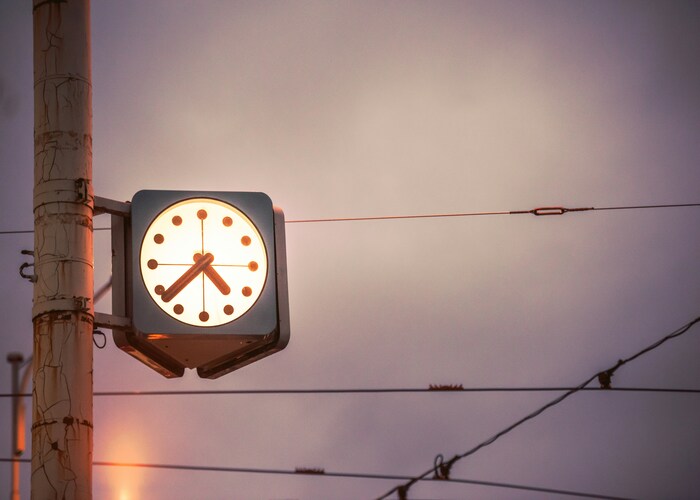
A time zone is a specific region of the world where the same standard time is followed. This system exists so people can organize daily life in a way that matches daylight and nighttime. A Time Zone Explained: The Simple System That Keeps the World in Sync.
Without time zones, the world would run on a single clock. Noon could arrive in the middle of the night for some places and during sunrise for others. Time zones bring structure, predictability, and balance to how humans live and work.
No matter where you live, a time zone quietly shapes your schedule, your sleep, your work hours, and your connection to the rest of the world.
How a Time Zone Is Defined
A time zone is based on the Earth’s rotation. As the planet spins, different areas receive sunlight at different times. To manage this naturally shifting daylight, the globe is divided into sections where clocks show the same time.
Each time zone generally covers a region about fifteen degrees of longitude wide. This represents roughly one hour of time difference from the next zone.
The system is not perfectly straight. Political borders, geography, and cultural decisions influence how time zones are drawn.
The Global Reference Point for Time Zones
All time zones are measured from a central reference line known as the Prime Meridian. This line passes through Greenwich in the United Kingdom and serves as the starting point for global time.
Time zones are expressed as being ahead of or behind this reference. Locations east move forward in time. Locations west move backward.
This structure allows the entire world to stay coordinated even while operating in different local times.
Understanding Coordinated Universal Time
Coordinated Universal Time, commonly known as UTC, is the global standard used to keep time consistent worldwide. Unlike local time, UTC does not change based on seasons or geography.
UTC is used in
International aviation
Global communication systems
Scientific research
Technology infrastructure
Local time zones are described as offsets from UTC, making it easier to convert time accurately across regions.
A Time Zone in Everyday Life
Time zones are part of daily routines, even when we do not notice them.
They affect
When we wake up and sleep
Work schedules and school hours
Live global events
Online meetings and classes
If you have ever scheduled a call between New York and London or followed a live event happening in Tokyo, you have experienced the importance of time zones firsthand.
Major World Time Zones and Global Cities
Understanding time zones becomes easier when viewed through familiar cities.
Examples include
London near the global reference point
Berlin operating one hour ahead of London
Dubai several hours ahead of Europe
New York several hours behind Europe
Los Angeles further behind on the west coast
Tokyo far ahead of Europe and the Americas
Sydney among the earliest major cities each day
These differences shape business hours, travel plans, and global coordination.
Why Some Countries Have More Than One Time Zone
Large countries often span great distances from east to west. Using a single time zone would mean extreme daylight differences across regions.
Countries with multiple time zones benefit from
More natural daylight schedules
Better alignment with daily routines
Improved regional productivity
This approach helps people live according to local sunlight rather than a distant clock.
Why Some Large Countries Use One Time Zone
Some countries choose to operate under a single national time zone despite their size.
Common reasons include
Administrative simplicity
National unity
Easier communication
This choice reflects social and political priorities rather than geographic necessity.
Daylight Saving Time and Time Zones
Daylight Saving Time is a seasonal adjustment where clocks move forward for part of the year. The goal is to make better use of daylight during longer days.
Not all countries observe this system. This means time differences between countries can change during the year, adding complexity to scheduling.
Understanding whether Daylight Saving Time is in effect is essential for accurate planning.
How a Time Zone Affects Global Travel
Time zones play a major role in how people experience international travel.
Jet Lag and Body Adjustment
Crossing multiple time zones in a short period can confuse the body’s internal clock. This temporary feeling is known as jet lag.
Travelers can manage it by
Adjusting sleep gradually
Staying hydrated
Spending time in natural light
Knowing time zones helps travelers prepare mentally and physically.
Flight Schedules and Local Time
Flight departure and arrival times are always shown in local time. Understanding time zones helps travelers
Calculate total journey time
Plan connections correctly
Avoid missed flights
This knowledge is especially important for long international routes.
A Time Zone in Global Business and Remote Work
Modern work often spans multiple time zones. Teams now collaborate across continents on a daily basis.
Scheduling Across Regions
Successful global teams respect time zone differences by
Finding overlapping work hours
Rotating meeting schedules
Using shared calendars
Clear communication about time zones builds trust and efficiency.
Financial Markets and Time Zones
Financial markets operate based on local time. Opening and closing hours vary across regions, creating global trading cycles.
Time zones influence
Market activity peaks
Currency exchange timing
Investment strategies
Professionals rely on accurate time zone awareness to make informed decisions. A Time Zone Explained: The Simple System That Keeps the World in Sync.
Technology and Time Zone Management
Modern technology handles time zones automatically, but complex systems work behind the scenes.
These systems manage
Local time display
UTC conversion
Seasonal time changes
Accurate time zone data ensures consistency across devices and platforms worldwide.
Common Time Zone Confusions
Even with technology, misunderstandings still happen.
Common issues include
Scheduling meetings at the wrong time
Misreading event start times
Confusing local time with UTC
Learning the basics of time zones prevents these everyday problems.
Simple Ways to Manage Time Zone Differences
Managing time zones becomes easy with a few habits.
Practical Checklist
Always mention the time zone when sharing a time
Use UTC for global coordination
Double check calendar invitations
Confirm Daylight Saving Time changes
These small steps save time and reduce stress.
Time Zones and Online Events
Online events serve global audiences, making time zones critical.
Clear time zone communication ensures
Higher attendance
Less confusion
Better user experience
Successful global events always respect local time differences.
Education and Learning Across Time Zones
Online education reaches students worldwide.
Time zone awareness helps
Schedule live sessions fairly
Set clear deadlines
Support learners across regions
This creates inclusive and accessible learning environments.
Why Understanding a Time Zone Is a Life Skill
In a connected world, time zone awareness is no longer optional.
It improves
Professional communication
Travel planning
Global collaboration
Personal organization
Understanding time zones empowers you to operate confidently across borders.
Expert Tips for Time Zone Awareness
Experts in global coordination recommend
Always confirming time zones
Avoid assuming local time
Using shared references like UTC
These habits reflect professionalism and respect for others’ schedules.
Common Myths About Time Zones
Many people believe
All time zones differ by exactly one hour
Every country changes clocks seasonally
UTC equals local time
Understanding the system clears up these misconceptions.
Future of Time Zones
As global connectivity grows, discussions continue about how time is managed. However, time zones remain the most practical way to align human activity with daylight.
For now, mastering time zones is the best way to navigate the modern world smoothly.
Frequently Asked Questions About a Time Zone
What is a time zone in simple terms
A time zone is a region where people use the same local time to organize daily life.
How many time zones exist globally
There are twenty four main time zones with additional regional variations.
Why is UTC used worldwide
UTC provides a consistent global reference for accurate time coordination.
Why do time zones matter
They help align daily activities with daylight and support global communication.
How can I easily manage time zones
By confirming time zones, using shared calendars, and planning ahead. A Time Zone Explained: The Simple System That Keeps the World in Sync.
Final Thoughts on Understanding a Time Zone
A time zone is more than a technical concept. It is the system that quietly keeps the world running smoothly.
From business calls and travel plans to education and entertainment, time zones shape how we connect across borders. When you understand them, the world feels more organized, more accessible, and easier to navigate.
Knowing how a time zone works gives you control over your time in a truly global sense.





Leave a Reply