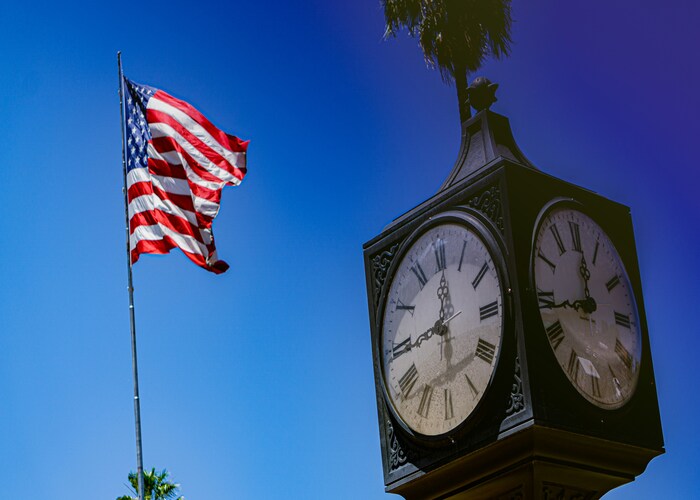
If you have ever tried to schedule a meeting with someone in the United States, book a flight across the country, or watch a live event hosted in America, you already know one thing clearly. The United States does not run on a single clock. All American Time Zones Explained A Complete Global Friendly Guide.
America spans a vast geographical area, and to manage daily life smoothly, it follows multiple time zones. For global users, this can feel confusing at first. Why is Los Angeles hours behind New York? Why does time change again when moving further west? And how do daylight saving changes affect everything?
This in depth guide to all American time zones is written especially for global readers. Whether you live in Europe, Asia, Africa, the Middle East, or Oceania, this article will help you understand US time zones clearly, confidently, and practically.
Why the United States Has Multiple Time Zones
The United States stretches across thousands of kilometers from east to west. Because the Earth rotates, sunrise and sunset occur at different times across this wide area.
To keep local time aligned with daylight, the country is divided into multiple time zones. This ensures that mornings, afternoons, and evenings feel natural in each region.
Key reasons
- The country covers a large longitudinal distance
- One single time would not match daylight everywhere
- Multiple time zones support daily routines and productivity
This structure helps keep life organized across the nation.
How Many Time Zones Are Used in the United States
The United States uses six primary time zones when including non mainland regions. Four of these are commonly used across the continental states.
The main American time zones are
- Eastern Time
- Central Time
- Mountain Time
- Pacific Time
- Alaska Time
- Hawaii Aleutian Time
Each zone represents a one hour difference from the next.
Eastern Time Zone Explained
The Eastern Time Zone is the most widely referenced American time zone globally. Many international businesses, media outlets, and financial markets use it as a standard reference.
Major cities in Eastern Time
- New York
- Washington
- Boston
- Miami
- Atlanta
- Toronto nearby in Canada also aligns closely
This time zone is often used when global events list US based schedules.
Central Time Zone Explained
The Central Time Zone sits one hour behind Eastern Time and covers the heart of the country.
Major cities in Central Time
- Chicago
- Dallas
- Houston
- Minneapolis
- New Orleans
This zone plays a key role in logistics, manufacturing, and agriculture.
Mountain Time Zone Explained
The Mountain Time Zone lies between Central and Pacific Time. It covers regions with mountains, deserts, and wide open spaces.
Major cities in Mountain Time
- Denver
- Phoenix
- Salt Lake City
- Albuquerque
This zone is sometimes less familiar to global users, but it is important in national scheduling.
Pacific Time Zone Explained
The Pacific Time Zone is three hours behind Eastern Time and is strongly associated with technology, entertainment, and global media.
Major cities in Pacific Time
- Los Angeles
- San Francisco
- Seattle
- San Diego
Many global online services and digital businesses operate from this time zone.
Alaska Time Zone Explained
Alaska Time is used in the northernmost state of the US.
Key points
- It is one hour behind Pacific Time
- It reflects Alaska’s unique geography
- Cities include Anchorage and Fairbanks
This zone is less common in global scheduling but still important for travel and logistics.
Hawaii Aleutian Time Zone Explained
Hawaii Aleutian Time is the westernmost American time zone.
Important facts
- It is several hours behind mainland US
- It does not follow daylight saving time
- Honolulu is the most well known city
Because Hawaii does not change clocks seasonally, its time difference with the mainland changes during the year.
Daylight Saving Time in American Time Zones
Most American time zones observe daylight saving time. Clocks are moved forward by one hour during warmer months to extend evening daylight.
Key things to know
- Eastern Central Mountain and Pacific zones usually follow it
- Alaska also observes it
- Hawaii does not use daylight saving time
This seasonal shift affects global scheduling and time conversion.
How American Time Zones Shift During the Year
When daylight saving time begins
- Clocks move forward by one hour
- Time differences with other countries change
When daylight saving time ends
- Clocks move back by one hour
- Standard time resumes
Because different countries change clocks on different dates, confusion can happen if timing is not double checked.
American Time Zones Compared to Global Regions
For global users, understanding US time zones relative to your region is essential.
General comparisons
- Europe is several hours ahead of Eastern Time
- Asia is many hours ahead of all US time zones
- Australia and New Zealand are almost a full day ahead
Exact differences depend on season and daylight saving status. All American Time Zones Explained A Complete Global Friendly Guide.
Using American Time Zones for Global Work
If you work with US based teams, time awareness is critical.
Best practices
- Always include the city when mentioning time
- Confirm whether daylight saving is active
- Schedule meetings during overlapping work hours
- Be clear about deadlines and delivery times
Clear communication avoids delays and frustration.
Scheduling Meetings Across All American Time Zones
Scheduling a single meeting across multiple US time zones can be challenging.
Helpful tips
- Choose a time that is reasonable for both coasts
- Avoid very early mornings or late nights
- Confirm the date along with time
- Send calendar reminders with time zone clarity
This approach shows respect for everyone’s schedule.
Traveling Across American Time Zones
Travel within the United States often involves crossing time zones.
Travel tips
- Expect time changes on long flights
- Adjust your watch to local time after landing
- Allow rest time when crossing multiple zones
- Plan connections carefully
Understanding time zones helps reduce travel fatigue.
American Time Zones and Online Events
Many global events are hosted from the United States.
To stay on track
- Convert the listed US time to your local time
- Check whether daylight saving applies
- Set reminders adjusted to your region
This is especially important for live streams and virtual conferences.
Common Mistakes With American Time Zones
Even experienced professionals make mistakes.
Avoid these common errors
- Assuming all of America uses the same time
- Forgetting daylight saving changes
- Confusing Mountain and Central Time
- Ignoring non mainland time zones
Double checking saves time and stress.
Simple Checklist for Working With American Time Zones
Before confirming anything
- Identify the exact US city
- Check current daylight saving status
- Confirm the correct date
- Recalculate the time difference
This simple habit prevents most errors.
Advanced Understanding of American Time Zones
For those working closely with US operations, deeper knowledge helps.
Advanced topics
- Time zone boundaries within states
- Seasonal time difference shifts
- Coordinating across coast to coast teams
- Planning twenty four hour operations
These skills support smoother global collaboration.
Why Understanding All American Time Zones Matters
The United States plays a major role in global business, media, education, and technology. Understanding its time zones helps you connect more effectively.
It allows you to
- Communicate with confidence
- Avoid missed meetings
- Plan global schedules accurately
- Build stronger international relationships
Time awareness builds trust.
How Knowing American Time Zones Empowers You
When you understand all American time zones, you gain control over global interactions.
You can
- Schedule meetings without confusion
- Plan travel more smoothly
- Participate in live events confidently
- Work efficiently across borders
Time knowledge is a practical global skill.
Frequently Asked Questions About All American Time Zones
How many time zones does the United States have
The United States uses six main time zones including non mainland regions.
Which American time zone is most used globally
Eastern Time is the most commonly referenced internationally.
Does every US state follow daylight saving time
Most do, but Hawaii does not.
What is the time difference between East and West Coast
Pacific Time is three hours behind Eastern Time.
Why does time change during the year in the US
Daylight saving time shifts clocks to make better use of daylight.
How can I avoid confusion with US time zones
Always confirm the city, date, and daylight saving status. All American Time Zones Explained A Complete Global Friendly Guide.
Final Thoughts on All American Time Zones
American time zones may seem complex at first, but once you understand the structure, everything becomes clearer. Each zone exists for a practical reason, helping daily life align with daylight across a vast country.
This guide was written to make all American time zones easy to understand for global readers. With this knowledge, you can schedule confidently, communicate clearly, and stay connected with the United States no matter where you live.
Time may differ across America, but with the right understanding, it never has to slow you down.





Leave a Reply