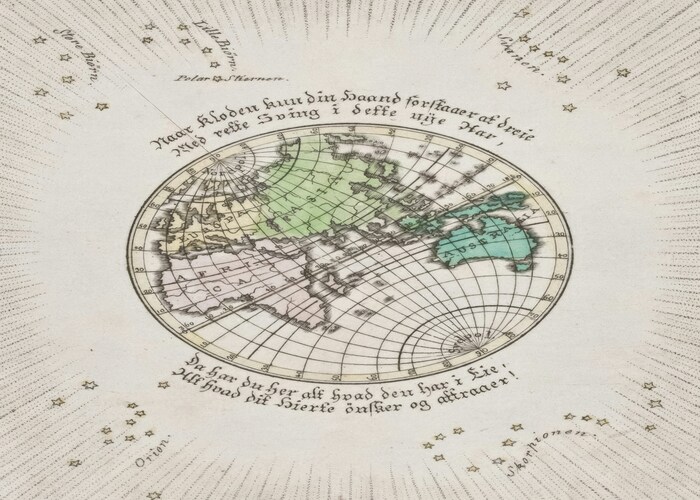
Time controls almost everything we do. From waking up in the morning to attending meetings, catching flights, watching live events, or working with people across borders, time quietly shapes our daily lives. Yet when you step outside your own country, time becomes more complex. All the Time Zones in the World A Complete Global Guide for Everyone.
The world does not run on one clock. Instead, it is divided into multiple time zones, each carefully designed to match daylight with local life. For global users, understanding all the time zones in the world is no longer optional. It is a practical life skill.
This guide is written for you, wherever you live. Whether you are a student, remote worker, business owner, traveler, or simply curious, this article will help you understand global time zones clearly, confidently, and deeply.
What Is a Time Zone and Why It Exists
A time zone is a region of the Earth that follows the same standard time. This system exists because the Earth rotates, and different parts of the world experience daylight at different moments.
If the entire planet used one time, mornings and nights would feel unnatural in many places. Time zones solve this by aligning local clocks with the position of the sun.
Key reasons time zones exist
- The Earth rotates once every twenty four hours
- Different longitudes experience sunrise at different times
- Local time helps people live in sync with daylight
This simple idea keeps daily life balanced around the world.
How Many Time Zones Are There in the World
In theory, the world can be divided into twenty four time zones, each covering fifteen degrees of longitude. In practice, it is more complex.
Today, there are more than thirty eight official time zones due to political borders, regional needs, and unique local decisions.
Important points to understand
- Some time zones differ by half an hour
- A few differ by forty five minutes
- Borders often follow countries, not straight lines
This is why global timekeeping feels complex but works remarkably well.
Understanding UTC The Global Time Reference
Coordinated Universal Time, often called UTC, is the global reference point for all time zones.
Instead of being a local time, UTC acts as the baseline from which all other time zones are calculated.
Why UTC matters
- It avoids confusion between countries
- It is used in aviation, technology, and science
- All time zones are expressed as offsets from UTC
For example, a location might be UTC plus two hours or UTC minus five hours.
How Global Time Zone Offsets Work
Every time zone is defined by its offset from UTC.
Examples
- UTC plus one means one hour ahead of UTC
- UTC minus eight means eight hours behind UTC
These offsets help convert time between regions accurately.
Major Time Zones by World Regions
To understand all the time zones in the world, it helps to look at them region by region.
Time Zones in North America
North America uses multiple time zones due to its width.
Common time zones
- Eastern Time used in cities like New York and Toronto
- Central Time used in Chicago and Mexico City
- Mountain Time used in Denver
- Pacific Time used in Los Angeles and Vancouver
- Alaska Time used in Anchorage
- Hawaii Aleutian Time used in Honolulu
These zones support daily life across vast distances.
Time Zones in South America
South America spans several time zones from east to west.
Examples
- Brazil Time used in Sao Paulo and Rio de Janeiro
- Argentina Time used in Buenos Aires
- Chile Time used in Santiago
Some countries use a single time zone despite large size, while others adjust seasonally.
Time Zones in Europe
Europe may look small on a map, but it uses multiple time zones.
Main European time zones
- Western European Time used in cities like Lisbon
- Central European Time used in Paris, Berlin, Rome, and Madrid
- Eastern European Time used in Athens and Helsinki
Despite close distances, one hour differences are common.
Time Zones in Africa
Africa spans a wide area but uses fewer time zones than expected.
Key African time zones
- West Africa Time used in Lagos
- Central Africa Time used in Johannesburg
- East Africa Time used in Nairobi
Most African countries do not observe daylight saving time.
Time Zones in the Middle East
The Middle East uses several closely related time zones.
Examples
- Arabia Standard Time used in Riyadh
- Gulf Standard Time used in Dubai
- Israel Standard Time used in Jerusalem
Some countries adjust clocks seasonally, while others keep time fixed.
Time Zones in Asia
Asia has the widest range of time zones due to its size.
Important Asian time zones
- India Standard Time used in New Delhi
- China Standard Time used in Beijing
- Japan Standard Time used in Tokyo
- Korea Standard Time used in Seoul
- Indochina Time used in Bangkok
Some countries use one time zone across large territories for simplicity. All the Time Zones in the World A Complete Global Guide for Everyone.
Time Zones in Australia and Oceania
This region includes unique and varied time zones.
Examples
- Australian Eastern Time used in Sydney
- Australian Central Time used in Adelaide
- Australian Western Time used in Perth
- New Zealand Time used in Auckland
Several Pacific islands also use unique offsets.
Half Hour and Unusual Time Zones
Not all time zones differ by one hour.
Examples of unusual offsets
- India uses UTC plus five hours thirty minutes
- Nepal uses UTC plus five hours forty five minutes
- Parts of Australia use half hour offsets
These choices reflect historical and regional needs.
Daylight Saving Time Around the World
Daylight saving time shifts clocks forward to extend evening daylight during certain months.
Key facts
- Many countries do not use it
- Some use it only in specific regions
- Start and end dates differ by country
This is one of the biggest sources of global time confusion.
How Daylight Saving Affects Global Scheduling
When one country changes clocks and another does not, time differences shift.
Practical impact
- Meeting times change without warning
- Flight schedules require attention
- Global events may appear earlier or later
Always confirm current offsets before scheduling.
International Date Line Explained Simply
The International Date Line separates one calendar day from the next.
Key points
- Crossing it changes the date, not just the time
- It runs mostly through the Pacific Ocean
- It zigzags to avoid splitting countries
This is why some regions are a full day ahead of others.
How to Convert Time Between Any Two Countries
Time conversion becomes simple with the right approach.
Step by step method
- Identify both locations
- Find each location’s UTC offset
- Account for daylight saving if applicable
- Calculate the difference
This method works anywhere in the world.
Best Practices for Working Across Global Time Zones
If you work or communicate globally, time awareness builds trust.
Helpful habits
- Always include the city with the time
- Mention the date clearly
- Avoid assuming others share your time zone
- Double check during daylight saving changes
Clear time communication prevents mistakes.
Time Zones and Global Travel
Traveling across time zones affects the body and schedule.
Travel tips
- Adjust sleep gradually before long trips
- Stay hydrated and rested
- Set watches to local time after arrival
- Allow recovery time
Understanding time zones helps reduce travel fatigue.
Time Zones and Online Events
Global events rely heavily on accurate time conversion.
To stay on track
- Convert event time to your local zone
- Set reminders adjusted to your location
- Confirm the date especially near the International Date Line
This ensures you never miss important moments.
Common Time Zone Mistakes to Avoid
Many people make the same errors repeatedly.
Avoid these mistakes
- Confusing local time with UTC
- Forgetting daylight saving changes
- Assuming all countries change clocks
- Ignoring half hour offsets
Awareness is the best solution.
Simple Global Time Zone Checklist
Before confirming any time
- Identify both cities
- Check current UTC offsets
- Confirm daylight saving status
- Include date and time zone name
This checklist saves time and avoids confusion.
Advanced Understanding of World Time Zones
For professionals working globally, deeper knowledge helps.
Advanced topics
- Time zone boundaries within countries
- Seasonal offset changes
- Coordinating teams across continents
- Managing twenty four hour operations
These skills support smooth global collaboration.
Why Understanding All the Time Zones in the World Matters
The world is more connected than ever. Business, education, healthcare, and communication all cross borders daily.
Understanding global time zones helps you
- Communicate clearly
- Build reliability and trust
- Avoid missed deadlines
- Work confidently with anyone
Time knowledge is global confidence. All the Time Zones in the World A Complete Global Guide for Everyone.
Frequently Asked Questions About All the Time Zones in the World
How many time zones are there worldwide
There are more than thirty eight official time zones due to regional variations.
What is UTC and why is it important
UTC is the global reference used to calculate all time zones.
Do all countries use daylight saving time
No, many countries do not observe daylight saving time.
Why do some countries use half hour time zones
These offsets reflect historical, cultural, or regional decisions.
How can I avoid time zone confusion
Always confirm the city, date, UTC offset, and daylight saving status.
What is the International Date Line
It separates one calendar day from the next and affects the date when crossed.
Final Thoughts on All the Time Zones in the World
Time zones may seem complex, but they exist to make life feel natural wherever you are. Once you understand how global time works, you gain control over schedules, communication, and travel.
This guide to all the time zones in the world was written to help you navigate global time with ease. No matter where you live or work, time no longer needs to be confusing.





Leave a Reply