Switzerland is known for its breathtaking landscapes, vibrant cities, and luxurious experiences. However, traveling here can be expensive, and managing money wisely is essential for a smooth trip. Understanding currency exchange in Switzerland and how to make the most of your money can save you stress and extra costs. This guide offers practical, easy-to-follow tips for both first-time visitors and experienced travelers. Currency Exchange Tips for Switzerland Travelers.
Why Currency Exchange Matters in Switzerland
Switzerland uses the Swiss Franc (CHF), which is different from the Euro used in neighboring countries. Exchanging your money efficiently is crucial because:
- Exchange rates can fluctuate daily
- Some methods charge high fees or poor rates
- Using the wrong method can cost you significantly over a multi-day trip
Knowing how and when to exchange money ensures you get more value for every franc spent.
Best Ways to Exchange Currency in Switzerland
1. Airport Exchange Counters
- Pros: Convenient, available 24/7, ideal for immediate cash needs
- Cons: Usually offer lower exchange rates and higher fees
Tip: Only use airport counters for a small amount to cover immediate expenses like transport or snacks.
2. Local Banks
- Pros: Competitive rates, reliable, safe
- Cons: Limited operating hours, may require ID
- Example: Exchanging Euros to CHF at a local Swiss bank usually costs less than airport counters.
Tip: Visit a bank early in the day to avoid long queues and ensure availability.
3. Currency Exchange Offices
- Pros: Convenient in city centers, sometimes offer better rates than banks
- Cons: Rates vary; check multiple offices before exchanging
- Tip: Compare rates displayed at several exchange offices to avoid overpaying fees.
4. ATMs (Cash Withdrawals)
- Pros: Often the easiest way to get local currency, widely available
- Cons: May charge international withdrawal fees and unfavorable conversion rates
- Tip: Use ATMs connected to major Swiss banks to minimize charges. Inform your bank beforehand to avoid card blocks.
Smart Tips for Exchanging Currency
- Avoid Dynamic Currency Conversion: Paying in your home currency may seem easier, but it often comes with poor exchange rates. Always choose Swiss Francs when paying.
- Use a Travel-Friendly Bank Card: Some cards offer no foreign transaction fees and favorable exchange rates.
- Plan Cash Needs: Switzerland is mostly cashless, but some small businesses prefer cash. Carrying a moderate amount is recommended.
- Check Daily Rates: Exchange rates fluctuate. Use apps or websites to track the best time to convert money.
- Avoid Multiple Exchanges: Convert money once or twice instead of exchanging repeatedly to save on fees.
Practical Example: How to Save Money on Currency Exchange
Suppose you’re traveling from Europe with 500 Euros:
- Airport counter: 500 Euros → 495 CHF (poor rate, high fee)
- Bank in city center: 500 Euros → 510 CHF (better rate, lower fee)
- ATM withdrawal: 500 Euros → 505 CHF (small fee, convenient)
Conclusion: Using a bank or local ATM gives more Swiss Francs and saves money.
Using Credit and Debit Cards in Switzerland
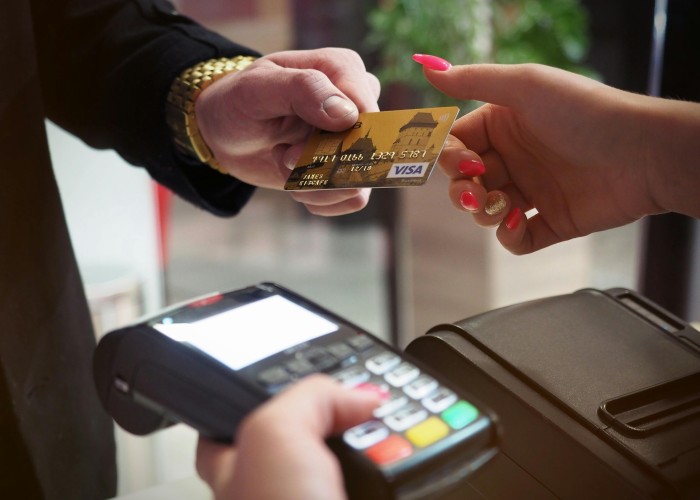
- Major credit cards like Visa or Mastercard are widely accepted in hotels, restaurants, and stores.
- Pay in Swiss Francs to avoid poor conversion rates.
- Notify your bank about your travel dates to prevent card blocks.
- Keep a small cash reserve for markets, small shops, or mountain excursions. Currency Exchange Tips for Switzerland Travelers.
Avoiding Common Currency Mistakes
- Exchanging too much at once: Only carry what you need to avoid losing money if rates improve later.
- Ignoring fees: Always read terms on card withdrawals and exchanges.
- Paying in home currency: As mentioned, this usually costs more.
Currency Exchange for Different Travel Scenarios
Short Trips (1–3 Days)
- Exchange a small amount at the airport for essentials
- Use credit/debit cards for most purchases
Extended Trips (7–14 Days)
- Exchange larger sums at local banks for better rates
- Withdraw additional cash via ATMs as needed
Backpacking & Outdoor Adventures
- Carry moderate cash for small towns, mountain huts, and markets
- Rely on cards where possible for convenience
Currency Exchange Checklist for Travelers
- Check the current EUR/CHF or USD/CHF rates before leaving
- Inform your bank about international travel
- Carry a mix of cash and card options
- Use reliable ATMs and banks for withdrawals
- Keep exchange receipts for tracking expenses
Following this checklist can prevent last-minute stress and ensure your trip runs smoothly. Currency Exchange Tips for Switzerland Travelers.
FAQs About Currency Exchange in Switzerland
Q1: Can I use Euros in Switzerland?
A: Some shops accept Euros, but rates are usually poor. Always pay in Swiss Francs when possible.
Q2: Are ATMs safe in Switzerland?
A: Yes, ATMs connected to major banks are safe and widely available.
Q3: Should I exchange money before or after arriving?
A: Exchange a small amount for immediate needs at the airport, and use local banks or ATMs for better rates.
Q4: Are credit cards widely accepted in Switzerland?
A: Yes, especially in cities and tourist areas, but carry cash for small businesses or remote locations.
Q5: How can I avoid extra fees on card payments?
A: Use cards with no foreign transaction fees and always choose local currency when paying.
Q6: How much cash should I carry?
A: Carry enough to cover minor expenses like transport, small shops, and emergencies.
Final Thoughts
Switzerland is a dream destination, but careful planning for currency exchange can save you significant money. By understanding the best places to exchange money, using smart tips for ATMs and cards, and avoiding common mistakes, travelers can focus on exploring the stunning alpine landscapes, charming towns, and rich culture without worrying about finances.
Being prepared and informed about currency exchange ensures a stress-free, enjoyable journey and lets you make the most of every Swiss Franc.
High-Search Keywords Used:
Currency Exchange Switzerland, Switzerland Travel Money Tips, Swiss Franc Tips, Best Way to Exchange Money Switzerland, Using Cards in Switzerland, Travel Budget Switzerland, Money Management Switzerland


Leave a Reply