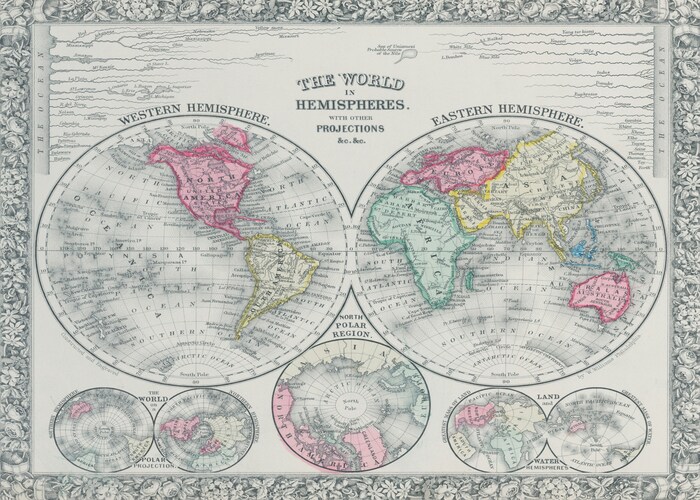
Time is one of the most universal concepts, yet it behaves very differently depending on where you are in the world. With 24 hours in a day and over 24 official time zones, understanding different time zones is essential for global business, travel, communication, and software development. Different Time Zones In The World: A Comprehensive Global Guide.
This guide explains everything about time zones, how they work, their impact on daily life, and practical tips to navigate them confidently.
What Are Time Zones?
A time zone is a region of the Earth that observes a uniform standard time. The Earth rotates 360 degrees every 24 hours, meaning each 15-degree longitude represents a different hour.
Key points:
- Time zones are measured relative to Coordinated Universal Time (UTC).
- They may differ by whole hours or even fractional hours (e.g., India is UTC+5:30).
- Time zones are influenced by political boundaries, not just geography.
How Time Zones Work
The world is divided into 24 standard time zones, but in practice, there are over 38 time zones due to daylight saving changes, half-hour offsets, and unusual regional adjustments.
Example:
- UTC-5 → Eastern Standard Time (New York)
- UTC+1 → Central European Time (Paris)
- UTC+9 → Japan Standard Time (Tokyo)
Time zones help synchronize clocks locally, making activities like work, school, and transportation predictable.
Major Time Zones Around The World
| Time Zone | UTC Offset | Major Cities |
|---|---|---|
| Pacific Standard Time | UTC-8 | Los Angeles, Vancouver |
| Eastern Standard Time | UTC-5 | New York, Toronto |
| Greenwich Mean Time | UTC+0 | London, Dublin |
| Central European Time | UTC+1 | Paris, Berlin |
| India Standard Time | UTC+5:30 | Mumbai, New Delhi |
| China Standard Time | UTC+8 | Beijing, Shanghai |
| Japan Standard Time | UTC+9 | Tokyo, Osaka |
| Australian Eastern Standard Time | UTC+10 | Sydney, Melbourne |
Tip: Always check if regions are observing daylight saving time (DST), which can shift the local clock by an hour.
Countries With Multiple Time Zones
Some countries span multiple time zones due to their geographical size:
- Russia: 11 time zones, from UTC+2 to UTC+12
- United States: 6 main time zones, from UTC-10 to UTC-4
- Canada: 6 time zones, from UTC-8 to UTC-3.5
- Australia: 3 time zones plus DST adjustments
Managing communications across these regions requires careful planning, especially for global businesses.
Why Time Zones Matter
Time zones influence:
- Business operations: Scheduling international meetings and calls
- Travel: Flight schedules, jet lag management
- Technology: Timestamps in software and databases
- Daily life: Broadcasting events, banking hours, and global coordination
Ignoring time zone differences can lead to missed deadlines, miscommunication, and inefficient planning. Different Time Zones In The World: A Comprehensive Global Guide.
Daylight Saving Time (DST) Explained
Many countries adjust clocks forward by one hour during summer to extend evening daylight.
Key points:
- DST usually starts in spring and ends in autumn.
- Not all countries observe DST (e.g., India and Japan do not).
- Use official databases or libraries for accurate conversion in software.
Example:
- New York (EST → EDT during DST)
- London (GMT → BST during DST)
Time Zone Conversion Tips
- Use UTC as a reference: Convert local times to UTC first for consistency.
- Check daylight saving rules: Some regions change their rules annually.
- Use reliable libraries for software: Python (
pytzorzoneinfo), JavaScript (Intl.DateTimeFormat). - Consider half-hour offsets: India (UTC+5:30) and Nepal (UTC+5:45) are unique.
- Double-check before scheduling: Especially for international meetings and online events.
Tools To Manage Time Zones
- World Clock apps: Display multiple city times simultaneously
- Time zone converters: Convert between different regions easily
- Programming libraries: Automate conversions in applications
Python Example:
from datetime import datetime
import pytz

# Current time in New York
ny_tz = pytz.timezone('America/New_York')
ny_time = datetime.now(ny_tz)
print("New York:", ny_time)

# Convert to Tokyo time
tokyo_tz = pytz.timezone('Asia/Tokyo')
tokyo_time = ny_time.astimezone(tokyo_tz)
print("Tokyo:", tokyo_time)
Fun Facts About Time Zones
- Kiribati (UTC+14) is the first country to welcome the new day.
- Nepal uses UTC+5:45—a rare 45-minute offset.
- Some regions maintain “double time zones” due to political or administrative reasons.
- International Date Line adjustments create unusual time zone gaps.
Checklist For Global Planning
- ✅ Always record timestamps in UTC
- ✅ Convert to local time only for display
- ✅ Consider half-hour or unusual offsets
- ✅ Check DST rules for accuracy
- ✅ Use reliable libraries in programming
FAQ About Different Time Zones
Q1: What is the difference between GMT and UTC?
A: GMT is a time zone; UTC is a time standard. UTC is more precise for scientific and technical use.
Q2: Why do some countries have half-hour time zones?
A: To align the official time with local solar time for convenience.
Q3: How many time zones are there in total?
A: Officially 24, but practically over 38 due to half-hour, 45-minute, and DST adjustments.
Q4: Do all countries observe daylight saving time?
A: No, many countries near the equator or in Asia do not observe DST.
Q5: Which countries have the most time zones?
A: Russia (11), United States (6 main zones), and Canada (6 main zones). Different Time Zones In The World: A Comprehensive Global Guide.
Conclusion
Time zones affect every aspect of modern life, from global business to personal travel. Understanding different time zones in the world ensures smooth communication, accurate scheduling, and efficient planning for people everywhere.
By using UTC for reference, considering DST, and leveraging technology for conversion, you can navigate the world of time confidently. Whether you’re a traveler, developer, or international business professional, mastering time zones is a critical skill for today’s connected world.




Leave a Reply