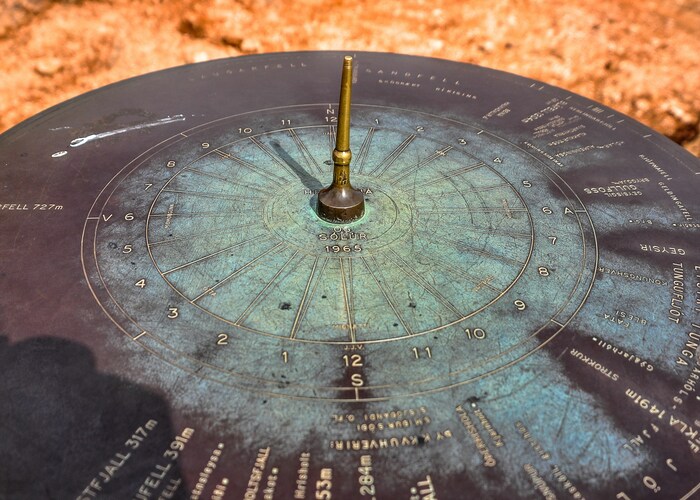
Time governs our world, yet it behaves differently depending on where you are on the planet. From the bustling streets of New York to the serene landscapes of Tokyo, understanding Earth time zones is essential for travel, business, and global communication. Earth Time Zones: The Complete Guide to Global Time.
In this guide, we explore the concept of timezones, their history, how they work, and practical tips for navigating them with confidence.
What Are Earth Time Zones?
A timezone is a geographical area where the same standard time is used. These zones were created to standardize time as the world became more interconnected, especially with the expansion of railroads and telecommunication in the 19th century.
Key Points:
- Timezones are based on the Earth’s rotation and longitude.
- Each 15 degrees of longitude roughly equals one hour of time difference.
- The reference point for timezones is Coordinated Universal Time (UTC).
Earth time zones allow communities to operate in sync with daylight hours, work schedules, transportation, and international business.
History of Time Zones
Before timezones, cities kept local solar time, meaning noon occurred when the sun was at its highest point. This system caused confusion for trains and communication networks.
Timeline:
- 1884: The International Meridian Conference established the Greenwich Meridian (GMT) as the prime meridian.
- 20th Century: UTC gradually replaced GMT as the standard.
- Modern Day: Over 24 main timezones exist, with additional fractional offsets.
Fun Fact: The international date line was created to prevent the same calendar day from occurring twice.
How Earth Time Zones Work
The Earth is divided into 24 main time zones, but actual implementation includes over 38 zones due to:
- Half-hour and 45-minute offsets
- Political decisions
- Daylight Saving Time (DST)
UTC Offsets:
- UTC-8 → Pacific Time (Los Angeles, Vancouver)
- UTC+0 → Greenwich Mean Time (London, Dublin)
- UTC+5:30 → India Standard Time (New Delhi, Mumbai)
- UTC+9 → Japan Standard Time (Tokyo, Osaka)
Tip: Always use UTC as a reference when scheduling across multiple countries.
Major Earth Time Zones and Cities
Here’s a table of key time zones with their offsets and representative cities:
| Time Zone | UTC Offset | Major Cities |
|---|---|---|
| Pacific Standard Time | UTC-8 | Los Angeles, Vancouver |
| Mountain Standard Time | UTC-7 | Denver, Calgary |
| Central Standard Time | UTC-6 | Chicago, Mexico City |
| Eastern Standard Time | UTC-5 | New York, Toronto |
| Greenwich Mean Time | UTC+0 | London, Dublin |
| Central European Time | UTC+1 | Berlin, Paris |
| India Standard Time | UTC+5:30 | Mumbai, New Delhi |
| China Standard Time | UTC+8 | Beijing, Shanghai |
| Japan Standard Time | UTC+9 | Tokyo, Osaka |
| Australian Eastern Time | UTC+10 | Sydney, Melbourne |
Countries with Multiple Time Zones
Some countries cover vast territories, leading to multiple time zones:
- Russia: 11 time zones, UTC+2 to UTC+12
- United States: 6 main zones, UTC-10 to UTC-4
- Canada: 6 zones, UTC-8 to UTC-3.5
- Australia: 3 main zones with DST variations
Expert Tip: When coordinating international meetings, always use UTC as the anchor. Earth Time Zones: The Complete Guide to Global Time.
Daylight Saving Time (DST) and Its Impact
Many countries adjust clocks seasonally to make better use of daylight.
Key Points:
- Typically begins in spring and ends in autumn.
- Not observed in countries near the equator (India, Japan, China).
- Example: New York shifts from EST (UTC-5) to EDT (UTC-4).
Practical Tip: Use DST-aware tools or programming libraries to avoid errors in scheduling.
Time Zone Conversion Tips
- Use UTC as your base reference.
- Check for DST adjustments for your target region.
- Consider half-hour or 45-minute offsets (India, Nepal, Newfoundland).
- Leverage apps and libraries like Python’s
pytzor JavaScript’sIntl.DateTimeFormat. - Always confirm local time when scheduling calls or events.
Tools for Managing Earth Time Zones
- World Clock Apps: Display multiple cities’ current times.
- Time Zone Converters: Quickly convert between regions.
- Programming Libraries: Automate conversions in software.
Python Example:
from datetime import datetime
import pytz

# Current time in New York
ny_tz = pytz.timezone('America/New_York')
ny_time = datetime.now(ny_tz)
print("New York Time:", ny_time)

# Convert New York time to Tokyo
tokyo_tz = pytz.timezone('Asia/Tokyo')
tokyo_time = ny_time.astimezone(tokyo_tz)
print("Tokyo Time:", tokyo_time)
Interesting Facts About Earth Time Zones
- Kiribati is the first country to welcome the new day (UTC+14).
- Nepal is one of the few countries with a 45-minute offset (UTC+5:45).
- Some regions maintain double time zones due to administrative choices.
- The International Date Line ensures that calendar dates are consistent globally.
Checklist for Navigating Earth Time Zones
- ✅ Use UTC for internal operations
- ✅ Convert to local time only for display
- ✅ Check DST rules for relevant regions
- ✅ Factor in unique offsets (30 or 45 minutes)
- ✅ Use reliable tools or libraries for programming
FAQs About Earth Time Zones
Q1: What is the difference between UTC and GMT?
A: GMT is a time zone; UTC is a global time standard used for synchronization.
Q2: Why do some countries use half-hour or 45-minute offsets?
A: To align official time more closely with solar time.
Q3: How many time zones are there globally?
A: 24 main time zones, but over 38 including fractional offsets and DST.
Q4: Do all countries observe DST?
A: No. Equatorial countries and most of Asia do not.
Q5: Which country has the most time zones?
A: Russia, with 11 time zones. The US follows with 6 main zones.
Conclusion
Understanding Earth time zones is crucial in today’s globalized world. They influence communication, business, travel, and technology. By mastering UTC references, DST adjustments, and using modern tools, you can navigate global time confidently. Earth Time Zones: The Complete Guide to Global Time.
Whether you’re a professional coordinating international meetings, a traveler planning trips, or a developer working with time-sensitive applications, a strong grasp of Earth time zones ensures precision, efficiency, and seamless scheduling worldwide.




Leave a Reply