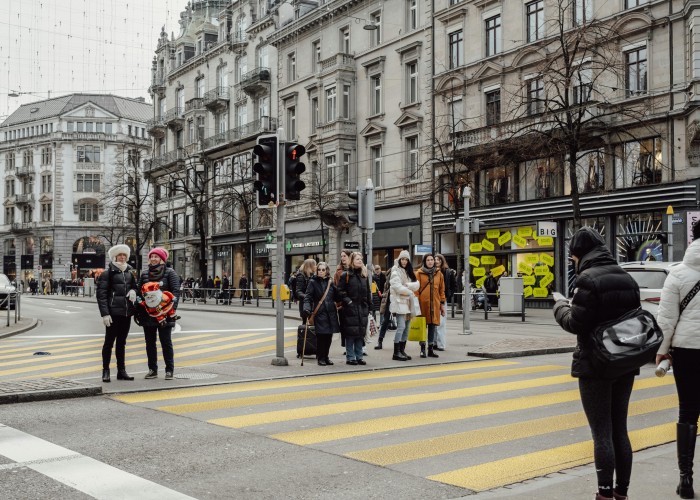
Shopping in Switzerland is an exciting experience, with luxury watches, designer brands, chocolate, and artisanal goods. But did you know that tourists can claim a VAT (Value Added Tax) refund on purchases? Understanding how to navigate the process can save you a significant amount and make your shopping trip even more rewarding. VAT Refund Guide for Tourists Shopping in Switzerland.
This guide will explain how VAT works in Switzerland, the eligibility criteria, refund procedures, and practical tips to ensure a smooth, stress-free experience.
What is VAT and How Does It Work in Switzerland?
VAT, or Value Added Tax, is a consumption tax applied to most goods and services in Switzerland. When you purchase products as a tourist, you are initially paying this tax. However, non-resident tourists are entitled to claim a refund on most goods when exporting them from Switzerland.
- Current VAT rate: 7.7% standard rate
- Reduced rate: 2.5% on essentials like food, books, and medicine
- Refund eligibility: Tourists from outside Switzerland and the EU
Example: Buying a luxury watch for CHF 1,000 includes CHF 77 VAT. Claiming a refund could return most of this amount to you.
Who is Eligible for a VAT Refund in Switzerland?
To claim a VAT refund, you must meet certain conditions:
- Residency: You must reside outside Switzerland.
- Minimum purchase: Single purchase must exceed CHF 300 (including VAT).
- Goods export: Items must be exported unused and in original packaging.
- Time limit: Export must occur within 30 days of purchase.
Tip: Keep your passport handy as proof of non-resident status during purchases.
Step-by-Step VAT Refund Process
1. Ask for a Tax-Free Form at the Store
When making a purchase:
- Inform the cashier that you want a VAT refund.
- The store will provide a tax-free form or invoice.
- Fill out your personal details and passport information accurately.
Pro Tip: Double-check that the store has filled in the purchase amount, VAT, and store details correctly.
2. Keep All Receipts and Forms Together
- Keep tax-free forms and original receipts organized.
- Make sure each form corresponds to a single purchase; multiple items may require separate forms.
Example: Buying chocolate and a watch at different stores will need two separate tax-free forms.
3. Validate Your Forms at Customs
Before leaving Switzerland:
- Go to the customs office at the airport, train station, or border.
- Present your purchases, receipts, tax-free forms, and passport.
- Customs will stamp the forms, confirming the export of goods.
Tip: Allow extra time at the airport for customs validation, especially during peak travel seasons.
4. Submit Your Forms for Refund
After customs validation, you can claim your refund:
- At the airport: Refund offices or kiosks may provide cash or card reimbursement.
- By mail: Some tax-free forms can be mailed to the refund company.
- Refund processing: Usually takes a few weeks for bank or credit card reimbursement. VAT Refund Guide for Tourists Shopping in Switzerland.
Example: A CHF 500 watch with CHF 38.50 VAT can be refunded to your credit card after submitting the validated form.
Tips for a Smooth VAT Refund Experience
- Check store participation: Not all stores participate in the VAT refund program.
- Pack goods accessibly: Customs may need to inspect items.
- Track deadlines: Export goods and submit forms within 30 days of purchase.
- Retain copies: Keep photocopies of receipts and forms in case of lost documents.
- Be polite and patient: Airport customs can be busy, especially during holidays.
Common Mistakes to Avoid
- Forgetting your passport at the store: VAT refund forms require your passport details.
- Leaving validation to the last minute: High chance of delays at the airport.
- Using items before export: Goods must remain unused and in original packaging.
- Incomplete forms: Missing signatures, incorrect details, or illegible entries can invalidate your refund.
Sample Exercise: Before traveling, make a checklist of VAT form, receipts, passport, and purchased items for a hassle-free claim.
High-Value Shopping Tips for Tourists
- Plan purchases strategically: Buy high-value items at stores that provide tax-free forms easily.
- Compare VAT-inclusive prices: Sometimes stores may offer VAT-excluded promotions.
- Combine purchases: Purchase multiple items at one store to simplify tax-free documentation.
- Keep receipts organized by store: Easier to process forms quickly at customs.
Example: Purchasing multiple Swiss watches at a luxury boutique ensures all forms are processed together, saving time at the airport. VAT Refund Guide for Tourists Shopping in Switzerland.
FAQs About VAT Refunds in Switzerland
Q1: What is the minimum purchase amount for VAT refund?
A: CHF 300 including VAT per single purchase.
Q2: Can I claim VAT on food or souvenirs?
A: Generally, yes, unless the items fall under reduced or exempt categories.
Q3: How long does it take to get the refund?
A: Refunds can be instant at airport kiosks or take 2–6 weeks if processed by mail or credit card.
Q4: Can I claim VAT on online purchases in Switzerland?
A: Only if goods are exported and tax-free forms are provided by the retailer.
Q5: Do all stores offer VAT refund forms?
A: No, check with the store before purchase to confirm participation.
Q6: Can I use VAT refund services in multiple Swiss cities?
A: Yes, but each purchase must have a separate tax-free form and validated at the airport or border before leaving Switzerland.
Conclusion
Claiming a VAT refund in Switzerland is a straightforward process if you understand the steps and prepare in advance. From asking for a tax-free form at the store to validating items at customs and submitting forms for reimbursement, tourists can save a significant amount on luxury goods, chocolates, watches, and more.
By following this step-by-step guide, avoiding common mistakes, and organizing your purchases, your Swiss shopping experience can be enjoyable, rewarding, and financially savvy.
Whether it’s your first visit or a repeat shopping trip, mastering VAT refunds ensures that you get maximum value for your purchases while traveling in Switzerland.


Leave a Reply