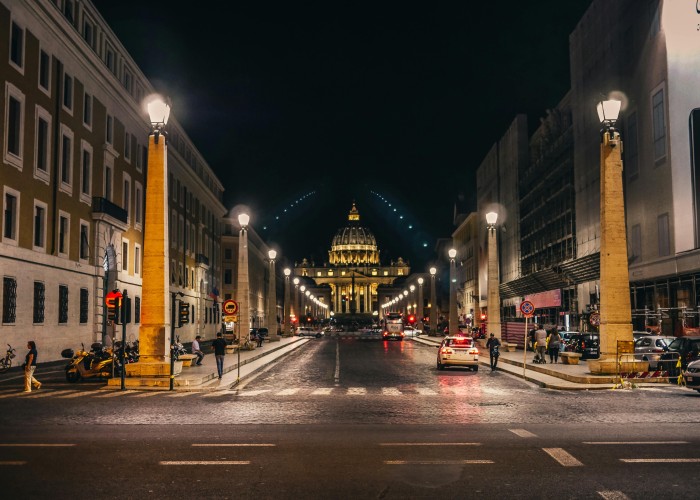
Italy is home to countless historic paths, but few are as evocative as the Via Francigena, an ancient pilgrimage route stretching from northern Europe to Rome. For centuries, pilgrims walked this path seeking spiritual enlightenment, cultural exploration, and breathtaking scenery. Today, the Via Francigena is open to modern trekkers, offering a unique combination of history, nature, and adventure. This complete guide will help you plan your journey, understand the route, and experience this legendary trail step by step. Italy’s Ancient Pilgrimage Route You Can Trek Today.
Why Trek the Via Francigena?
The Via Francigena is more than just a walking trail. Here’s why it’s worth exploring:
- Historical Significance: Walk the same route as medieval pilgrims and discover centuries-old churches, monasteries, and ancient towns.
- Scenic Diversity: From rolling Tuscan hills and vineyards to medieval villages and Apennine mountains, every stage offers unique landscapes.
- Cultural Immersion: Experience Italian local life, regional cuisines, and architectural gems along the way.
- Spiritual and Personal Growth: Trekking the Via Francigena is as much a mental and emotional journey as a physical one.
Whether you are an experienced trekker or a beginner seeking a slow-paced cultural adventure, this route offers something for everyone.
Best Time to Trek the Via Francigena
Timing is crucial for comfort, safety, and enjoyment:
- Spring (April–June): Mild temperatures, blooming landscapes, and fewer crowds.
- Summer (July–August): Warm weather and lively towns, but can be hot in southern regions.
- Autumn (September–October): Cooler temperatures, vibrant foliage, and harvest season in wine regions.
- Winter (November–March): Some sections may be inaccessible due to snow; not recommended for beginners.
Tip: Spring and autumn provide the best combination of weather, scenery, and manageable crowds.
Route Overview
The Via Francigena spans roughly 1,800 km from Canterbury, England, to Rome, Italy, but most trekkers focus on the Italian section. Here’s an overview:
1. Northern Italy: Aosta Valley to Tuscany
- Highlights: Alpine landscapes, Roman bridges, medieval towns.
- Distance: Approximately 400–500 km.
- Difficulty: Moderate to challenging due to mountain passes.
- Tips: Start early to avoid afternoon heat; enjoy mountain vistas and traditional Italian inns.
2. Tuscany: Hills, Vineyards, and Medieval Towns
- Highlights: San Gimignano, Siena, Monteriggioni, Chianti wine region.
- Distance: 300–400 km.
- Difficulty: Moderate; some hilly terrain.
- Tips: Take rest days to explore towns, sample local food, and photograph scenic vineyards.
3. Lazio: From Northern Hills to Rome
- Highlights: Montefiascone, Viterbo, pastoral landscapes, and Rome’s historic entrance.
- Distance: 250–300 km.
- Difficulty: Moderate; mostly rolling hills and flat stretches near Rome.
- Tips: Plan your approach to Rome carefully, enjoying smaller villages before reaching the city. Italy’s Ancient Pilgrimage Route You Can Trek Today.
Pro Tip: Many pilgrims complete the Italian section in stages, often trekking 20–25 km per day, allowing time for sightseeing and rest.
Trail Difficulty and Preparation
The Via Francigena ranges from moderate to challenging, depending on the terrain and stage:
- Distance per day: 15–30 km recommended for beginners; experienced trekkers can do 35 km or more.
- Elevation: Some mountain passes in the north require fitness and stamina.
- Terrain: Mixed; includes paved roads, dirt paths, forest tracks, and hilly vineyards.
Preparation Tips
- Footwear: Well-broken-in hiking boots with ankle support.
- Backpack: Lightweight with compartments for water, snacks, and personal items.
- Clothing: Layered clothing for variable weather; waterproof jacket recommended.
- Hydration & Nutrition: Minimum 2 liters of water per day and energy-rich snacks.
- Navigation Tools: Map, GPS device, or trail apps; Italian signage may vary.
Sample Exercise: Start by trekking 10 km a day on hilly terrain to gauge your endurance before attempting longer sections.
Where to Stay Along the Route
The Via Francigena is well-supported with accommodations:
- Agriturismos: Farm stays offering authentic Italian meals and local hospitality.
- Hostels & Guesthouses: Affordable options in small towns.
- Hotels: Comfortable lodging in larger towns like Siena or Viterbo.
- Pilgrim Hostels (Ostelli): Basic but strategic for multi-day trekkers.
Tip: Book accommodations in advance during peak seasons to ensure availability. Italy’s Ancient Pilgrimage Route You Can Trek Today.
Cultural and Scenic Highlights
The Via Francigena is rich in history, architecture, and natural beauty:
- Medieval Towns: San Gimignano, Siena, Monteriggioni, and Viterbo.
- Churches and Monasteries: Stunning Romanesque and Gothic architecture.
- Wine Regions: Tuscany’s Chianti and Brunello vineyards offer wine-tasting opportunities.
- Italian Countryside: Rolling hills, olive groves, and cypress-lined roads provide postcard-perfect landscapes.
- Historic Bridges and Roman Roads: Walking paths echo the footsteps of ancient pilgrims.
Tips for an Enjoyable Trek
- Start Early: Beat the heat and enjoy morning light for photography.
- Pace Yourself: Average 20–25 km per day; adjust for elevation and fitness.
- Document Your Journey: Keep a journal or take photos to capture your experience.
- Connect with Local Culture: Try local food, wines, and interact with villagers.
- Stay Flexible: Weather, fatigue, or sightseeing may require adjusting daily distances.
Sample Multi-Day Trek Plan
| Day | Route | Distance | Highlights |
|---|---|---|---|
| 1 | Aosta → Ivrea | 22 km | Alpine landscapes, small medieval towns |
| 2 | Ivrea → Pavia | 25 km | River views, historical architecture |
| 3 | San Gimignano → Siena | 24 km | Vineyards, hilltop villages |
| 4 | Siena → Monteriggioni | 20 km | Medieval walls, Tuscan countryside |
| 5 | Montefiascone → Viterbo | 26 km | Rolling hills, Romanesque churches |
| 6 | Viterbo → Rome | 30 km | Final approach to historic Rome |
Frequently Asked Questions (FAQs)
How long is the Via Francigena in Italy?
- Approximately 1,000–1,200 km from the northern border to Rome.
Is it suitable for beginners?
- Yes, with proper planning; beginners may prefer to hike in shorter daily sections.
Do I need special equipment?
- Comfortable hiking boots, layered clothing, backpack, water, and navigation tools are essential.
What is the best season to trek?
- Spring and autumn offer the most pleasant weather and fewer crowds.
Are there accommodations along the route?
- Yes, including agriturismos, hotels, guesthouses, and pilgrim hostels.
Can I complete the Via Francigena in stages?
- Absolutely. Many trekkers complete it in sections over multiple trips.
Final Thoughts
The Via Francigena is a journey through Italy’s landscapes, history, and culture. Each step offers a blend of natural beauty, medieval architecture, and authentic Italian experiences. Trekking this ancient pilgrimage route is not just about the physical challenge—it’s a chance for personal reflection, cultural immersion, and unforgettable adventure.
Whether you are a first-time trekker or an experienced hiker, the Via Francigena provides an unparalleled walking experience through Italy’s heart. From the Alps to Rome, every mile tells a story, every hill offers a view, and every village invites exploration.





Leave a Reply