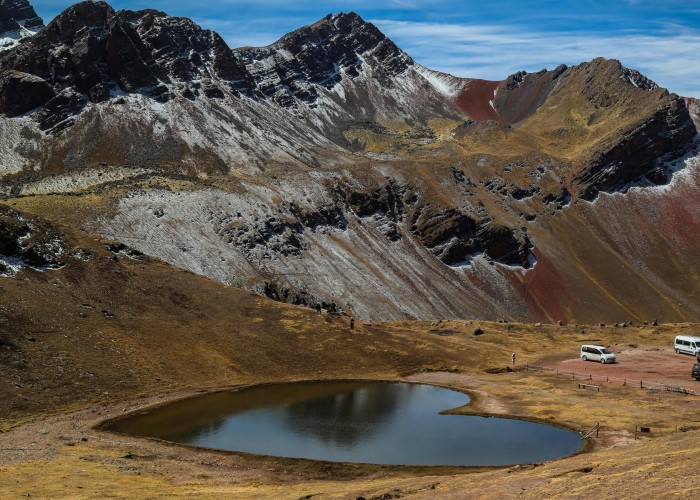
The Jungfraujoch, often called the “Top of Europe,” is one of Switzerland’s most iconic destinations. Perched at an altitude of 3,454 meters, it offers stunning panoramic views of the Swiss Alps, glaciers, and snow-covered peaks. Visiting Jungfraujoch is a dream for travelers seeking unforgettable scenery, alpine adventures, and unique experiences in high-altitude Europe. Visiting The Jungfraujoch.
Planning a trip here requires careful consideration of tickets, costs, timing, and tips to make the journey smooth. In this guide, we’ll cover everything you need to know step by step.
Why Visit Jungfraujoch?
Visiting Jungfraujoch is more than just reaching a high point in the Alps—it’s an immersive experience of nature, adventure, and breathtaking vistas. Here’s why it’s worth the journey:
- Panoramic Views: See the Aletsch Glacier, Europe’s largest glacier, and surrounding snow-capped peaks.
- Unique Attractions: Ice sculptures, observation decks, and snow activities await at the top.
- Adventure & Photography: Perfect for photographers, adventure seekers, and nature enthusiasts.
- Cultural Experience: Learn about Swiss alpine life and engineering marvels, like the Jungfrau Railway.
Best Time To Visit Jungfraujoch
Timing your visit can affect your experience significantly:
- Summer (June to September): Clear skies, warmer weather, and longer daylight. Ideal for photography and exploring the ice palace.
- Winter (December to February): Snow-covered landscapes create a magical winter wonderland, perfect for snow activities.
- Spring and Autumn: Fewer tourists, peaceful trails, and crisp mountain air.
Tip: Early morning visits often provide better visibility and fewer crowds.
How To Get To Jungfraujoch
Jungfraujoch is accessible primarily via train journeys, which are considered an engineering marvel:
- Starting Point: Most travelers begin from Interlaken or Grindelwald.
- Train Route: Take the train to Kleine Scheidegg, then transfer to the Jungfrau Railway. The train passes through tunnels and opens to spectacular views near the top.
- Duration: The journey takes approximately 2.5 to 3 hours from Interlaken.
Practical Tip: Booking tickets in advance ensures availability, especially during peak season.
Ticket Options and Costs
Jungfraujoch tickets vary depending on your starting point, class of service, and package:
- Round-Trip from Interlaken: Standard fare ranges around 150–200 CHF for adults.
- Premium or First Class: Offers larger seats and panoramic carriages; costs approximately 250–300 CHF.
- Special Passes: Swiss Travel Pass holders may get discounts, reducing ticket prices by 25–50%. Visiting The Jungfraujoch
Example:
- Adult standard ticket: 195 CHF
- Child ticket (6–16 years): 100 CHF
- First-class ticket: 275 CHF.
Tip: Always check for seasonal discounts and plan your budget accordingly.
What To Expect At Jungfraujoch
At the summit, visitors can enjoy several attractions:
- Sphinx Observation Deck: Offers 360-degree views of surrounding peaks and glaciers.
- Ice Palace: Marvel at sculpted ice tunnels and artwork.
- Snow Fun Park: Engage in snow tubing, sledging, and beginner skiing activities (seasonal).
- Alpine Restaurants and Cafés: Relax with food and warm drinks while enjoying the view.
Practical Tip: Allocate 2–3 hours at the top to explore, take photos, and enjoy activities.
Tips For A Smooth Visit
- Dress in Layers: Even in summer, temperatures at the top are cold. Thermal wear, hats, and gloves are recommended.
- Acclimate to Altitude: Drink water and take it slow, especially if you’re sensitive to high altitudes.
- Photography Gear: Bring a camera with wide-angle lens for capturing panoramic views.
- Plan Meals: Cafés are available, but bringing snacks is helpful, especially for children.
- Avoid Crowds: Visit early morning or late afternoon for fewer tourists and better photos.
- Footwear: Comfortable, waterproof shoes with good grip are essential for snow-covered areas.
Practical Exercises for Visitors
Even if you are not a hiker or climber, preparing physically helps enjoy the visit:
- Short Hikes: Try moderate hikes at lower altitudes to acclimate.
- Cardio Training: Jogging or cycling improves endurance for mountain travel.
- Flexibility Exercises: Stretching exercises reduce muscle stiffness after long travel.
Sample Exercise Plan Before Trip:
- 20–30 minutes of brisk walking daily
- 10 squats and lunges twice a day
- 5 minutes of stretching in the morning and evening
FAQs About Visiting Jungfraujoch
Q1: How much does a ticket to Jungfraujoch cost?
Adult tickets range between 150–200 CHF from Interlaken; first-class tickets cost around 275 CHF. Discounts are available for Swiss Travel Pass holders.
Q2: How long does the journey take?
From Interlaken, the train journey takes roughly 2.5 to 3 hours one way. Visiting The Jungfraujoch.
Q3: Is Jungfraujoch suitable for children?
Yes, the journey and attractions are family-friendly, but proper clothing and altitude precautions are necessary.
Q4: Can I visit in winter?
Absolutely. Winter offers snow-covered landscapes and seasonal snow activities.
Q5: Are there restaurants and amenities at the top?
Yes, there are cafés, restaurants, and souvenir shops. It is recommended to carry water and snacks, especially for longer visits.
Q6: Do I need to book tickets in advance?
Yes, booking in advance is highly recommended, especially during summer and winter peak seasons.
Conclusion
Visiting the Jungfraujoch is a once-in-a-lifetime experience that combines the thrill of high-altitude adventure with the serene beauty of the Swiss Alps. Understanding tips, ticket options, and costs helps make your journey smooth, enjoyable, and memorable.
From panoramic glacier views and ice palaces to snow fun activities, Jungfraujoch offers something for every traveler. By planning your trip carefully—choosing the right season, dressing appropriately, and preparing for altitude—you ensure a magical visit to Europe’s highest railway station.
Whether you are a first-time visitor or returning traveler, Jungfraujoch promises unforgettable alpine memories, stunning photography opportunities, and a true connection with nature at the top of Europe.





Leave a Reply